
Dry Ceramic Facade
Dry Ceramic facade systems combine durability, lightness, and a modern aesthetic.
Dry Ceramic Facade
Dry ceramic facades first appeared in Europe in the early 1980s, soon becoming a preferred option because they’re strong, light, and simple to install. This led to faster project completion and reliable results. As porcelain ceramic production and installation improved, the system became a straightforward choice for modern buildings. Around the 2000s (1380s in Iran), Iran started adopting this tech, initially for grand projects such as upscale buildings, skyscrapers, and big malls. The initial cost and need for skilled workers meant that mainly these large-scale projects used it. As people recognized the precision and better performance of this system compared to traditional methods, the demand increased. Dry ceramic facades began to show up in a wider variety of projects, including homes, offices, and public buildings. Today, dry ceramic facades are a leading choice for facade design and construction in Iran. Their benefits have cemented their spot in the industry. They remain a go-to for projects that want speed, quality, and a modern look.
فهرست مطالب
ToggleWhat is a Dry Ceramic Facade?
A popular system in building cladding today is the dry ceramic facade. This system uses mechanical installation of ceramic panels. Instead of mortar or glue, screws, bolts, and metal pieces hold the ceramic panels to the structure. This installation is quicker and more exact and has some real pluses. One major thing is that it reduces the load on the building. The ceramics go on a frame that supports itself, instead of sticking right to the wall. Also, the space between the panels and the wall lets air flow. This helps stop water from building up and damage from hot or cold temps. Because of these benefits, plus how it looks and how long it lasts, the dry ceramic facade is a great option for modern facades. Fresp Company knows a lot about designing and installing different kinds of ventilated facades, like porcelain dry ceramic systems. We can give you complete services and advice in this area. Our team and materials are top-notch, and we’ve finished many projects. Contact Fresp for advice and a price quote.

Why Fresp?
1.Specialized in Dry Ceramic facades.
2.Design-to-installation Service
3.Collabration with architects and contractors
4.Technical support and detailed engineering
Types of Dry Ceramic Facades
Dry ceramic panels are generally categorized into two main types based on their structure: Hollow (Perforated) Ceramics and Full Body (Solid) Ceramics.
Each has unique features that make it suitable for different project needs.
Full Body (Solid) Ceramics
These ceramics have a completely solid structure and no cavities. Their advantages include lower price and less water absorption, which is suitable for areas that are high. These ceramics are also produced in various advantages and sizes and have various colors and high designs that allow designers to create modern and beautiful effects for buildings.
The choice between these two types of ceramics depends on the project needs, climatic conditions and budget. Hollow ceramics with their insulating properties and lower weight, and full-body ceramics with high strength and design diversity, each have their own advantages that should be selected according to the conditions of the desired project.
Hollow (Perforated) Ceramics:
These types of ceramics have cavities in their internal structure that reduce their weight and thus impose less dead load on the building. In addition to reducing weight, the presence of these cavities acts as sound and thermal insulators and prevents the transmission of sound and heat between the facade and the main body of the building.


Steps of Installing a Ventilated Ceramic Facade
The process of installing a ventilated ceramic facade generally includes the following steps:
1. Initial Review and Consultation
• At this stage, the project needs and specifications are carefully reviewed. The engineers and specialists of the dry facade design and implementation company first determine the type of ceramic, dimensions, color, design, and technical requirements based on the project conditions. This consultation helps to decide on installation methods, costs, and project timing.
2.Dry Ceramic Facade Design
•This involves picking the ceramic type, sizes, colors, and patterns.
We also do the math to figure out structural loads, how the panels and fittings will be put in place, and how the ceramic weight will affect the building.
3.Material Selection and Procurement
•After the design, the material selection and procurement phase begins. This phase includes the procurement of dry ceramics, metal profiles, retaining parts (clips or clamps), screws, and other materials required for installation. Ceramics can be selected in different types (hollow or full-bodied) and with different dimensions.
4. Metal substructure
•This is the first stage of implementation. The dry ceramic facade substructure is carried out using metal or aluminum profiles. The vertical and horizontal profiles are carefully attached to the wall of the building. These profiles act as a chassis for installing the ceramics, and all their connections are stainless and corrosion-resistant.
• The profiles are connected to the main structure of the building using bolts and nuts to provide the necessary strength to bear the weight of the ceramics and resist atmospheric factors.


5.Installation of retaining parts
• After the profiles are installed, ceramic retaining parts such as clips or clamps are installed. These parts are attached to the metal profiles and are responsible for holding the ceramics securely and firmly in place. Depending on the type of ceramic (hollow or full-bodied) and the installation method (visible or non-visible), these parts are mechanically attached to the profiles.
6. Ceramic Installation
• In this step, the ceramics are installed on the retaining parts. In the visible method, the retaining parts are clearly visible, but in the non-visible method, these parts are hidden and the ceramics are installed seamlessly. The installation of ceramics is done with great precision to maintain the alignment and levelness of the facade. No mortar or adhesive is used at this stage, and only mechanical connections are used to hold the ceramics.
7. Inspection and Quality Control
• After the ceramics are installed, a detailed inspection of the facade is carried out to ensure that all ceramics have been installed correctly and that there are no defects in the facade. At this stage, final adjustments, repairs or minor changes may be made.
8. Installation of additional components
• If necessary, additional components such as edge profiles or sealants are installed to complete the facade. These components are used to create a neat appearance and prevent dust and water from entering the connection points.
9.Cleaning and upkeep:
• Once installation wraps up, we move into the cleaning stage. This involves getting rid of any leftover materials, dust, or grime from the tiles and joints. It’s essential that the facade appears neat and clean to ensure top-notch work.
10.Final Testing and Performance Check
• At this stage, the facade is thoroughly tested to ensure the system is functioning properly. This includes checking the strength of the connections, the resistance of the facade to weather conditions, and the correct installation of the retaining components.
11.Project Delivery
• After completing all stages and confirming the quality of the work, the project is delivered to the employer. At this stage, installation documentation and guarantees regarding the system’s performance are provided.
These steps are generally the process of implementing dry ceramic facades, which are carried out carefully and in compliance with technical standards. Each step must be carried out carefully and according to a specific schedule so that the final result is beautiful, durable, and of high quality.
Methods of Installing Ventilated Ceramic Facades
Dry ceramic is performed in two general methods, visible and non-visible, based on whether the metal connections are visible or not. We will now examine the differences and advantages of each of these methods.
Non-visible installation method:
In this method, the joints and supporting parts of the ceramics are hidden and are not visible on the building facade. The ceramics are installed integrally and with a small distance next to each other, which gives the facade a uniform and modern appearance. This method is more aesthetic because the joints are hidden and is suitable for projects that seek a smooth appearance without visible components.
Visible installation method:
In this method, part of the ceramic retaining parts, also called clips, are visible. To reduce the visual impact of these connections, they are usually painted with polyester paint using electrostatic method and the same color as the ceramics to minimize the color difference and make it less noticeable. This installation method is more economical than the non-visible method.
The choice between these two methods depends on budget, design taste, and project needs. The non-visible method, providing a uniform and modern appearance, is suitable for projects with an emphasis on aesthetics, while the visible method, with its lower cost and easier installation, is considered a more economical option.


Types of dry facade ceramic installation methods
In the visible dry ceramic facade method, as previously mentioned, the ceramic retaining joints are clearly visible on the building facade. These joints are clip-type and are usually made of stainless steel to provide durability and high resistance to weather conditions, moisture and corrosion.
These retaining systems are connected to cans embedded in the substructure. And the ceramics are mechanically mounted on them. In this method, there are three types of clip retention systems, each with its own characteristics and advantages:
1.Visible Clip System:
• In this type of system, the clips are installed directly on the metal profiles or chassis. The ceramics are placed at specific distances between the clips and in this way the joints are clearly visible on the building facade. This open and prominent appearance creates a modern and industrial look that is used in many commercial and residential architectural projects.
2. Masai System:
• The Masai system is another common method of installing dry ceramic facades, which uses special clips called Masai. These connections are designed to install ceramics evenly and accurately. The Masai system provides fast and safe installation and is very efficient in large projects requiring a large amount of ceramic installation.
Concealed Installation Method
The concealed installation method ensures that the supporting structures are not visible on the façade, creating a clean, seamless appearance. There are two main concealed systems: Anchor method and Groove method. Unlike the visible method, the support connections remain hidden.
1.Anchor Method
First, the back of each ceramic tile is drilled using a special undercut drill. Horizontal runners or clamps are then fixed to the tile back using screws and anchor bolts. After preparing the building substructure and connecting horizontal and vertical profiles, the horizontal runners are attached to the main structure with brackets or angles. Threaded screws are used to ensure the vertical alignment of the ceramic tiles. This method is known for its high strength and reliability in ventilated ceramic façades.
2. Groove Method
In this system, grooves are cut on the back of the ceramic panels using a grooving machine. Clamps are secured in these grooves with special adhesives and fastened to the substructure using screws, allowing fine adjustment and leveling. To enhance safety, fiberglass mesh and polyurethane adhesives are often used to prevent tiles from moving or falling under impact or pressure. This provides a clear overview of visible vs. concealed installation methods, highlighting the structural differences, aesthetic impact, and technical considerations for each system

3.Double-Sided Clip System
This system works well for projects where you need to put up ceramic tiles on both sides of a structure. The clips are arranged evenly on both sides of the panels, so the installation is strong and safe. It is often used for projects that have unusual or complicated designs.
Here’s how to install it:
1. After you’ve put in the metal supports and made sure the base is straight, screw the clips onto the horizontal or vertical rails.
2. Put the ceramic tiles between the clips and secure them.
3. For extra strength, put glue and mesh on the back of the tiles. This helps the panels stand up better to pressure, hits, and weather, and makes them stick to the clip system better. This visible installation method is great if you want the outside of the building to stand out. The system uses strong and exact connections to make sure the outside lasts a long time. It can also make the building look better and be worth more.
Comparison of Anchor vs Groove Methods
Anchor Method:
- Provides higher strength and durability.
- Generally the first choice for many contractors and clients in large or critical projects.
- Uses secure and fixed connections, ensuring high safety and resistance.
Groove Method:
- Requires precise grooving and special adhesives.
- Often used in projects that prioritize faster installation and lower cost.
- In situations where strength and durability are more critical, the Anchor method is preferable.
Summary:
- Both Anchor and Groove methods are concealed installation systems, keeping the façade clean and uniform.
- They are ideal for projects seeking a beautiful appearance combined with durable performance.
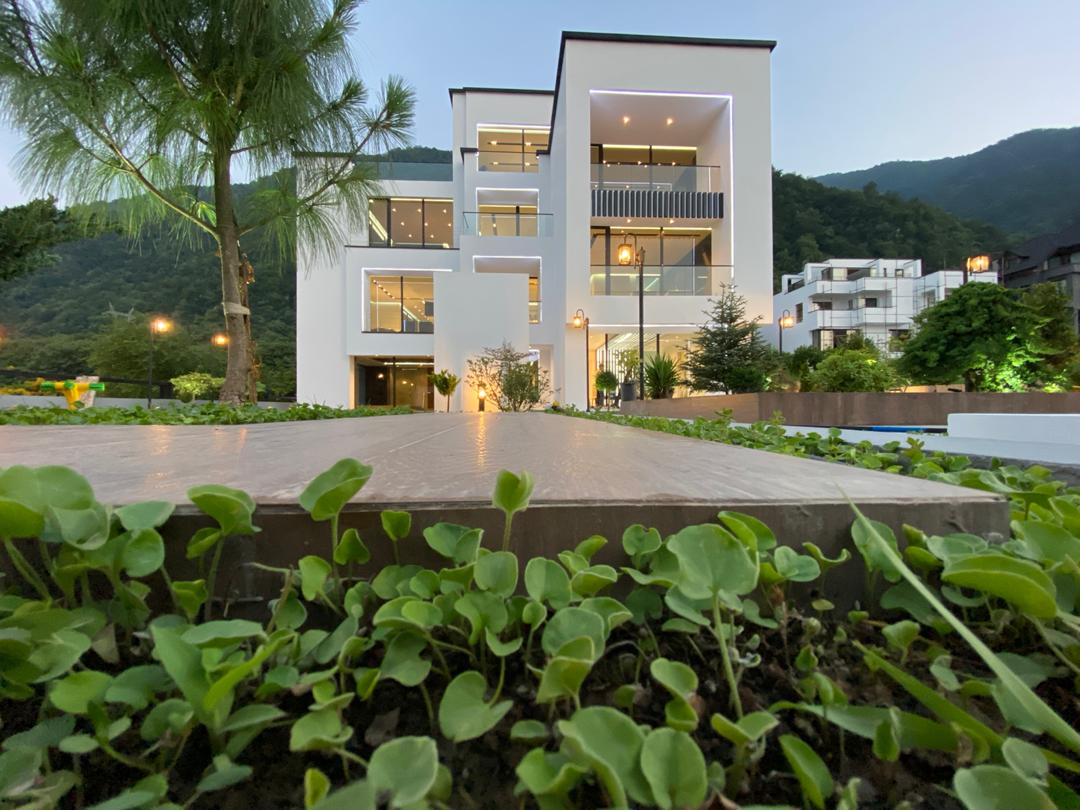
Real projects, Real results
Our dry ceramic facade system was used in the Chelak Project, providing both aesthetics and long-term durability.
- Faster installation
- Thermal insulation improvement
- Elegant matte porcelain finish
Click to see the details of Chelak Villa Project.
Pricing of Ventilated (Dry) Ceramic Facades
To estimate the cost of installing a dry ceramic façade accurately, several factors must be considered as they directly affect the final price. When figuring out costs, it’s important to look at the building’s facade size. Make sure you have precise drawings and measurements of the facade to get a good estimate. Also, keep in mind that the total cost of a dry ceramic facade includes more than just the ceramic itself.
And in fact, many factors affect these costs. Below we will explain some of these factors.
1.Cost of Structural Metal Components
Dry ceramic façades require a supporting structure, usually made of metal profiles, channels, and subframes, to ensure stability and strength. The cost of these metal components depends directly on the facade area and the type of connections required. Larger façades require more metal and, consequently, higher costs.
2.Cost of Porcelain Ceramic Panels
Porcelain tiles are often selected because they are strong and insulate well against heat and sound. The price varies based on size, quality, type, design, brand, and where they are made. Bigger tiles or those with special designs usually cost more.
3.Cost of Engineering Services
Includes façade design, structural calculations, leveling of the substructure, supervision, and technical consulting. The cost is influenced by the complexity of the project and the level of expertise required for design and supervision.


4.Cost of Non-Metal Materials for Dry Ceramic Façades
In addition to metal components, non-metal materials such as aluminum profiles, screws, fasteners, clips, and other supporting parts are essential for the installation of dry ceramic facades. These materials are particularly used in concealed systems (clip or groove systems), and each has its own cost. The choice of type and quality of these materials can significantly affect the final project cost. You’ll also need materials such as glue, coatings, and related sundries to put in tiles.
Special glues, such as those produced from polyurethane or epoxy, are often used to make the facade last longer and look better.
You might also use meshes or other strong materials to help the tiles stick better and be safer.
How much these items cost depends on how much you buy and what kind they are.
5. Cost of Installing Dry Ceramic Facades
The workforce’s level of expertise and skill determines the installation cost.
It covers labor costs, equipment, material transportation, and other running costs.
Naturally, larger and more intricate projects call for more specialized teams and longer installation times, which raises the price.
In the end, a number of variables, including façade area, material type, design complexity, and workforce expertise, affect the installation cost.
It is advised to confer with experts and present thorough project plans in order to obtain an accurate cost estimate.
Advantages of Dry Ceramic facades
Dry ceramic façades have gained popularity as a choice for modern building exteriors because of their many perks.
People see them as a good option for different kinds of projects.
Some of the key benefits include:


1.Extended Life and Toughness
Dry ceramic façades have high durability: they last a long time and it’s resistant to any weather. These tiles don’t let moisture in, can take heavy rain hot and cold temps, and harsh sun without fading or breaking down. This means the façade stays in good shape for years without needing much upkeep or fixing.
2. Heat and Sound Blocking
The porcelain tiles and other stuff used in dry façades do a great job keeping heat in and noise out. This can cut down on how much energy the building uses and make the inside feel better. It also keeps out noise from outside and traffic, so people inside have a quieter more relaxing space.
3. High Set-up Speed
Dry ceramic facade systems are meant to be installed more quickly than conventional methods. Modern installation systems, including clip and groove techniques, lower installation costs and speed up the process.
4. Easy cleaning and upkeep
The low maintenance of dry ceramic exteriors is one of their main qualities. The tile’s smooth surface fights against grime buildup, and all it takes to clean them is a quick rinse with detergents and water. This maintains the outside of the structure spotless and tidy.
5. Design Flexibility
Dry ceramic tiles come in many forms and sizes, which let designers design unusual and imaginative exteriors. Modern and unique building ideas benefit especially from this adaptability.
6. Less Dead Load on the Building
Because dry ceramic façades use mechanical connections instead of mortar, they add very little dead load to the building structure. For structures unable to bear additional weight, this is especially advantageous since it helps to lower structural stress.
7. Cost reduction and energy efficiency
Because of their insulating qualities, dry ceramic façades can improve the energy efficiency of the building and lower heating and cooling energy use. Furthermore reducing total execution costs is the quick and simple setup.
Fresp Team Having more than ten years of experience in the planning and execution of dry ceramic facades. The Fresp team is dedicated to offering its customers professional and superior service. We are glad to help you and totally own the design and implementation of your building‘s dry ceramic facade should you have any questions or need direction.
You may reach the Fresp crew for free consultation and a preliminary quote at the phone numbers provided on our website.