
Combining creativity and functionality to create a look that showcases beauty and identity in every look.
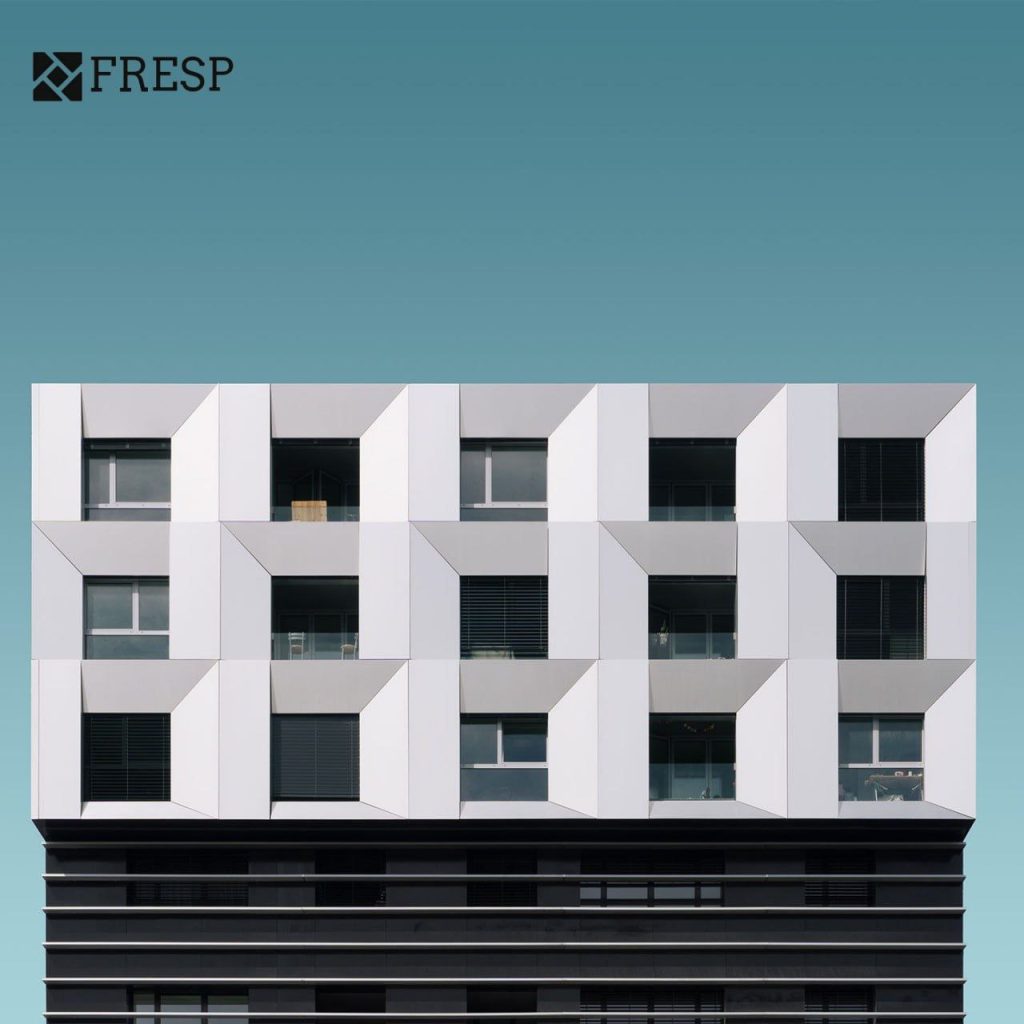
Building Facade Design
Building facade design refers to the process of designing a building’s exterior face, focusing on its appearance, materials, structure, and overall performance. It plays a key role in shaping a building’s identity while also influencing energy efficiency, durability, and the way the building interacts with its surrounding environment.
Building facade design is the art and science of shaping a building’s exterior, its materials, form, and details to meet aesthetic, functional and environmental goals.
Effective building facade design depends on multiple technical, environmental, and functional factors that must be evaluated together rather than in isolation.
In short: It defines how a building looks, performs and connects to its context.
Let’s investigate a few of the most often used facade design trends:
Building Facade Design Style
Modern Facade Design Style
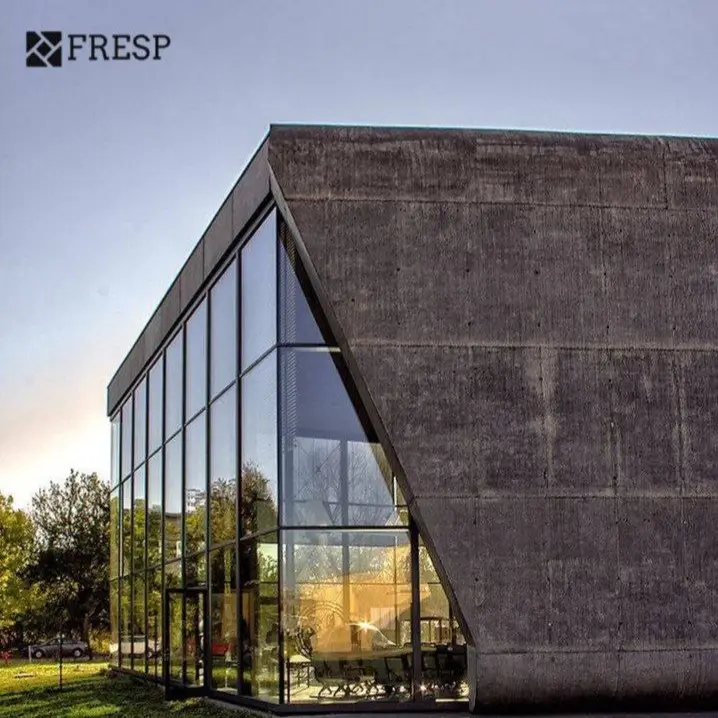
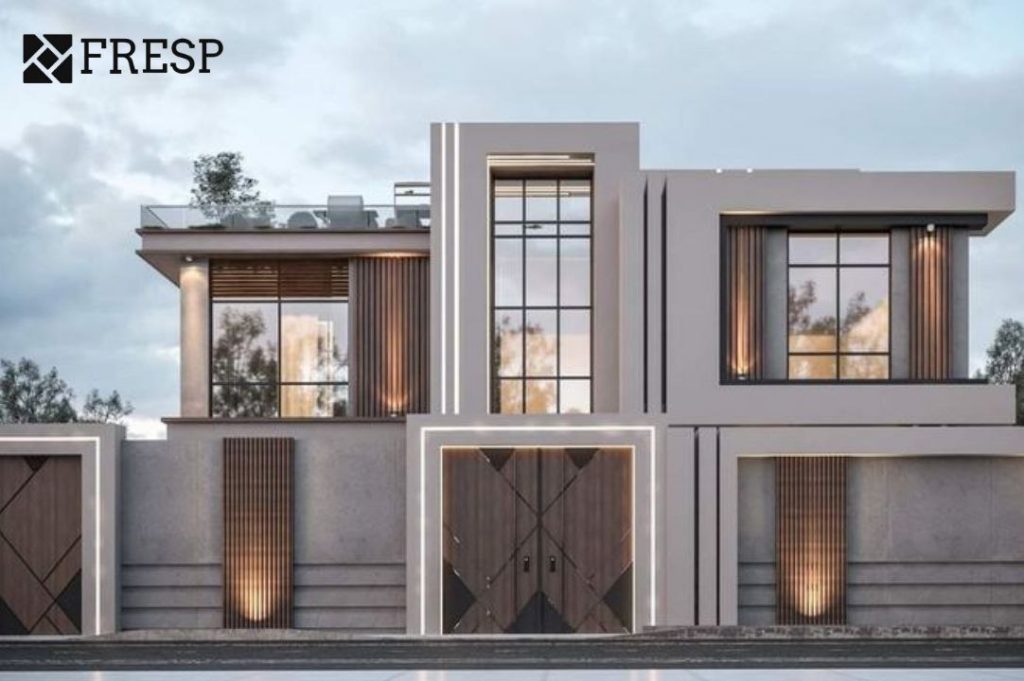
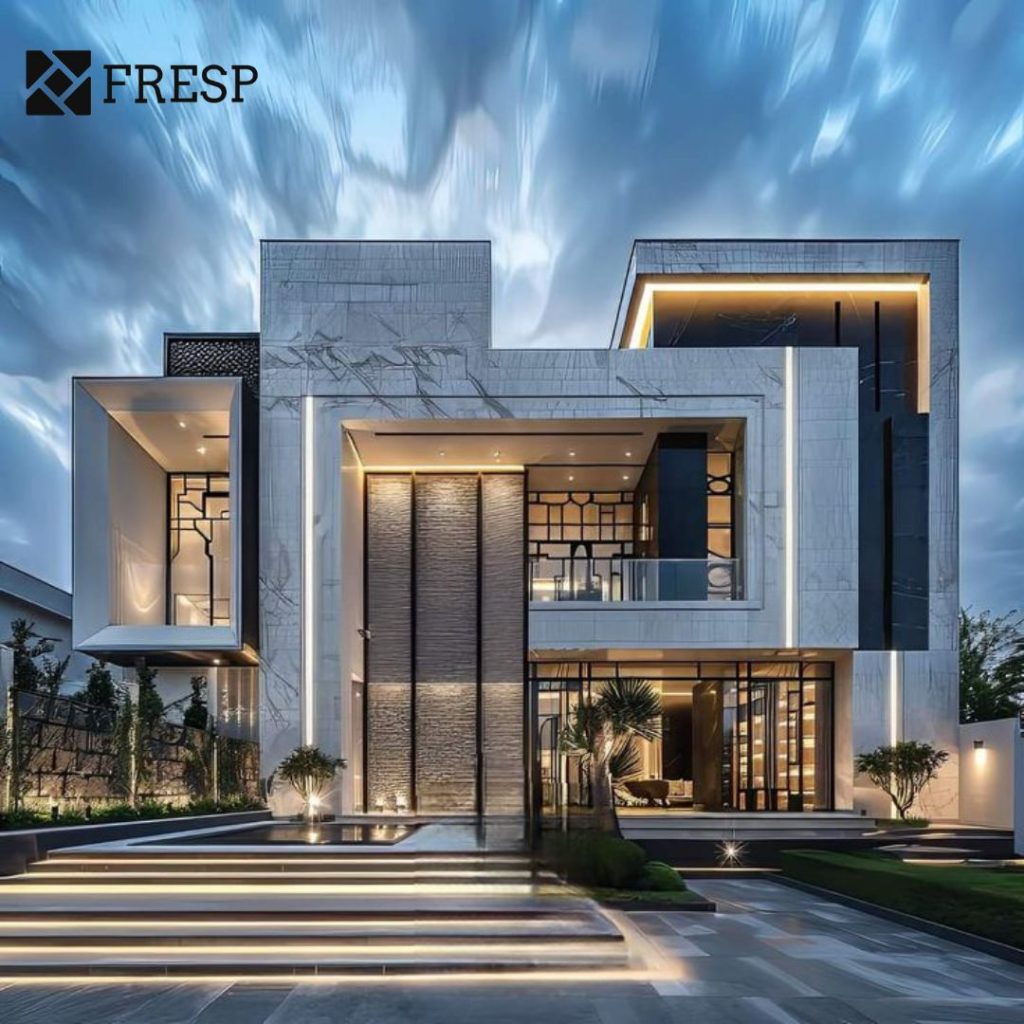
Modern design of facades brings about a sense of calm and clarity by means of geometric shapes and straight lines, therefore promoting simplicity.
Modern facade differ from classic ones in that they eschew decorative elements and superfluous ornament. The materials used are also different: modern designs sometimes feature glass, metal, concrete, or composite panels instead of conventional stone.
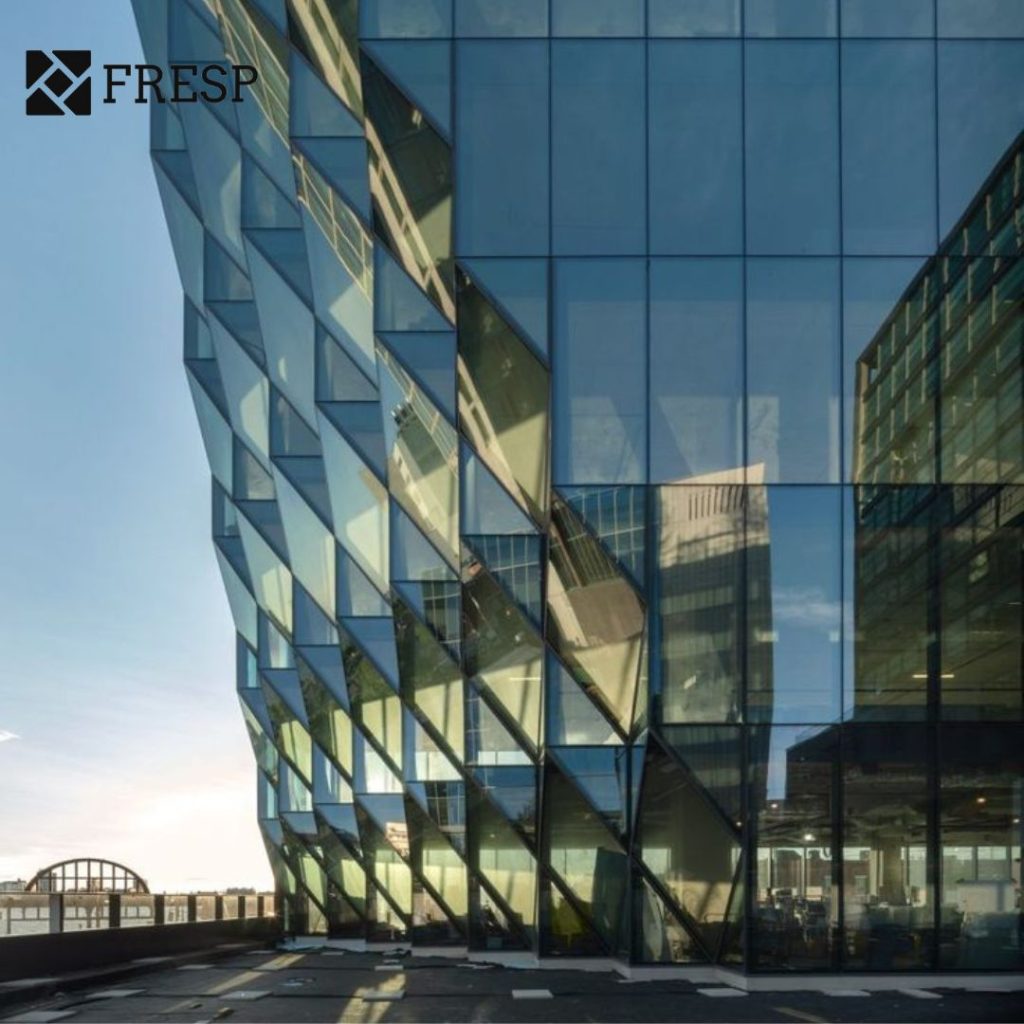
Modern techniques like vented or dry facades, which use mechanical fasteners rather than mortar and cement, have been made possible by creative use of glass and metal. Higher accuracy, quicker installation, and more durability are among its benefits. Natural light is a major component of contemporary facades.
Daylight penetrates deep inside the building via big windows and deliberately positioned apertures, therefore lowering daytime energy use. While establishing a closer link between indoor areas and the outside environment, glass facades or even roofs improve this natural lighting. Modern facades also let architects show their inventiveness by providing leeway in color palettes and substance mixes.
Every endeavor so has efficiency as well as beauty. Modern facades essentially reflect contemporary trends, creativity, and technological progress in the construction sector.
Neoclassical Facade Design
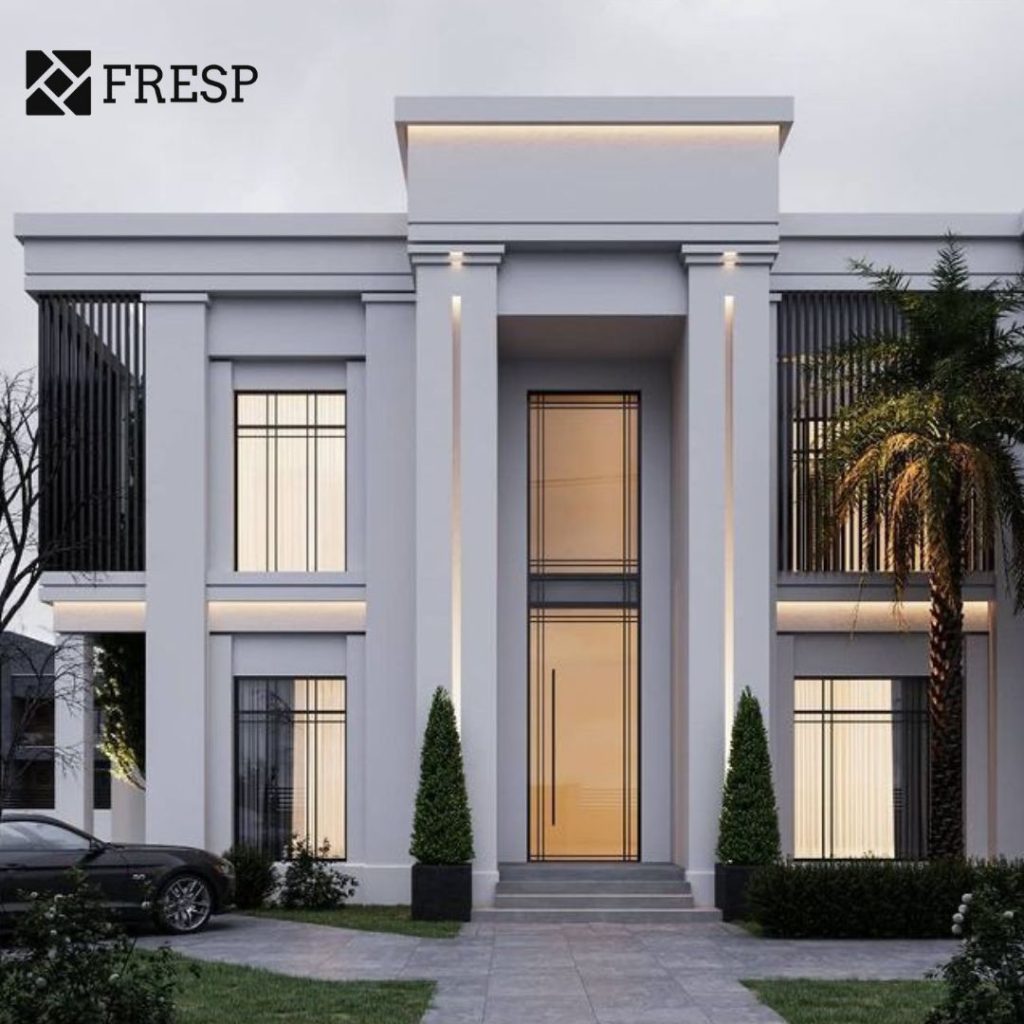
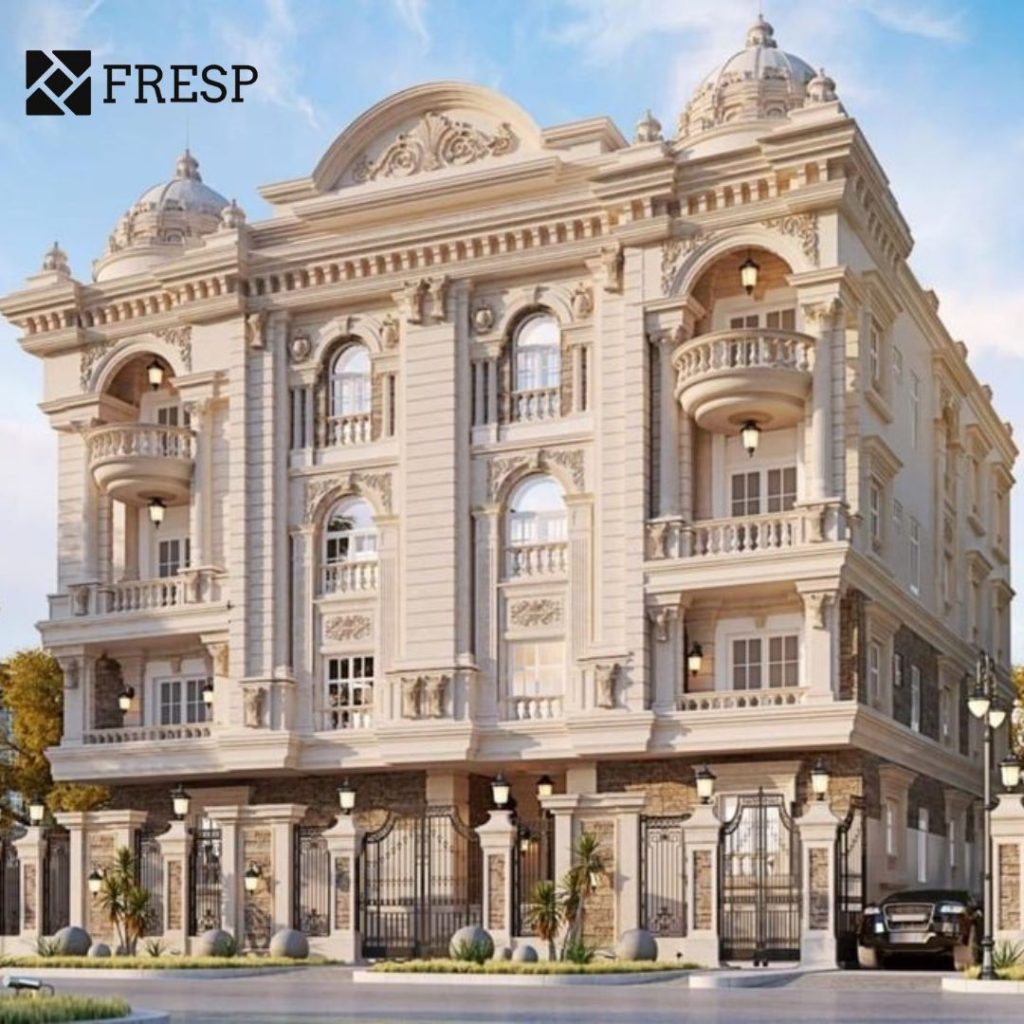
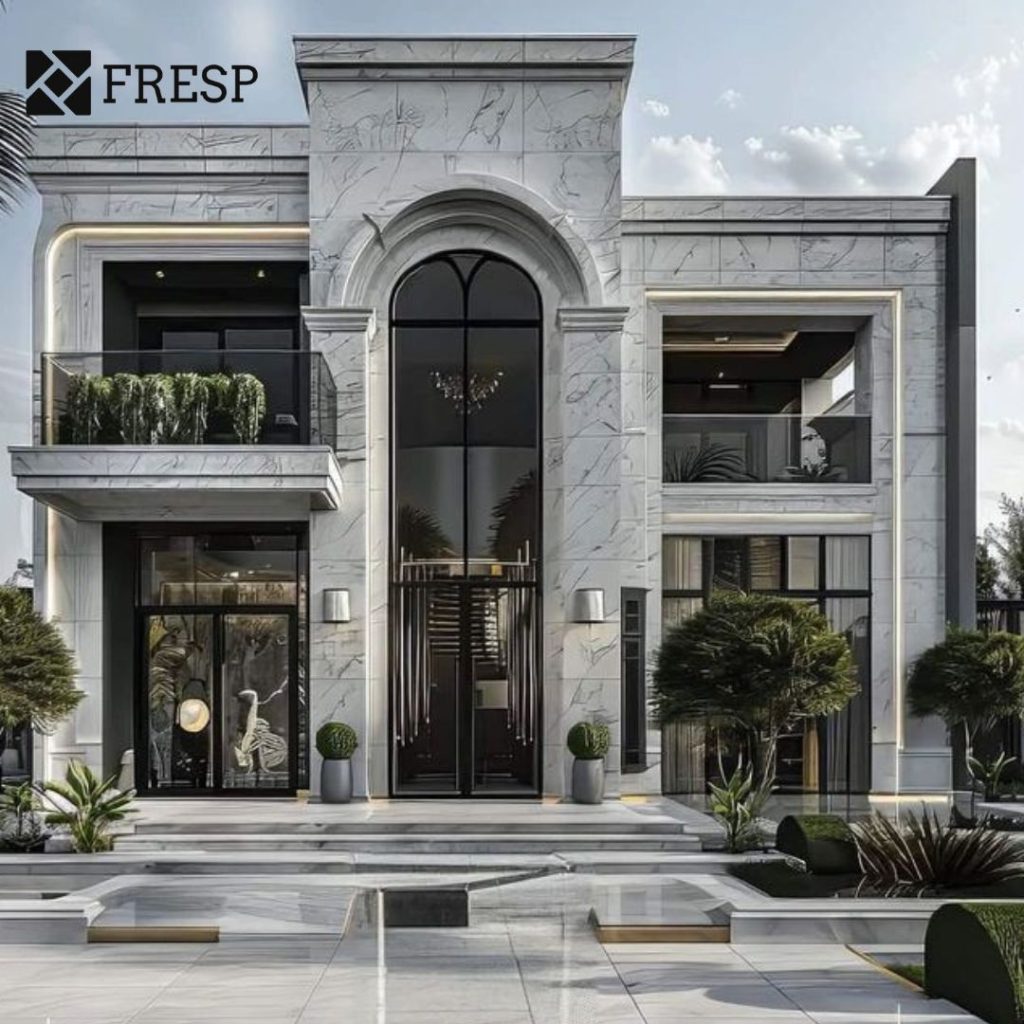
Neoclassical design is an elegant combination of modern simplicity and classic greatness. Here, columns, arches, and symmetry are kept but carried out more sparingly and elegantly.
Neoclassical facades favor a minimalist approach emphasizing proportion and balance, hence avoiding too much ornamental detail. Alongside natural stone, the modern materials glass and steel, together with neutral colors, help this style to be an appealing mix of modernity and tradition.
Classical Facade Design
Drawing inspiration from Greek and Roman architecture, it is richly adorned.
Tall pillars with elaborate capitals, grand arches, and symmetric patterns define this look. People searching for a facade with historical depth and artistic richness often select the richness of detail and splendor as it represents classic elegance.
Bauhaus Style
Accepting usefulness and eliminating needless ornamentation, the Bauhaus façade design—a contemporary style— evolved in the early 20th century following World War I.
Usually made of materials like metal and concrete, it follows ideas of simplicity and practicality above cosmetic beauty. The term Bauhaus comes from “Bau,” which means apartment, and “Haus,” which means house. Roofs in Bauhaus facades are frequently flat, and geometric shapes such squares and rectangles
dominate the architecture. Horizontal and clean lines are essential, but the design might not always be symmetrical because of the priority on function. Usually employed are neutral and cool colors intended to provide for a small and effective environment.
Roman facade style
Based on ancient Greek and Roman buildings, the Roman facade style has become rather well-known in Iran in recent years. Like the traditional style, it uses stone mostly.
Rich decoration and precise touches help to give a grand and genuine appearance. Tall pillars and arches, among other unique aspects, impart to Roman facades a grand and majestic aspect. Prefabricated cement components can be used to cut expenses and save execution time.
The Roman aesthetic is still among the most preferred options for opulent and classic facades because of its elegance and size.
Iranian facade style
Iranian designers have long been actively engaged in international architecture as a result of their inventiveness and artistic ability.
Mirroring real Persian architecture with symmetry, balance, arches, and lofty columns, the Iranian facade style creates a timeless and distinct identity.
Often employed are regional materials including brick, bright tiles, timber, stained glass, and plaster, hence the style is both culturally harmonious and climate-compatible.
Also having particular significance in this style is mirror work, a trademark of Iranian design.
The Iranian facade design not only helps conventional architecture but also guarantees that this is priceless history is reserved for future generations.
Minimal facade style
Grounded on the century-old philosophy of “less is more,” minimalist facade design stresses clarity and simplicity.
Using light colors gives buildings a larger look while also evoking tranquility, elegance, and cleanliness.
To produce bright, tranquil, and energetic areas, it uses natural light extensively through glass walls, skylights, and transparent ceilings.
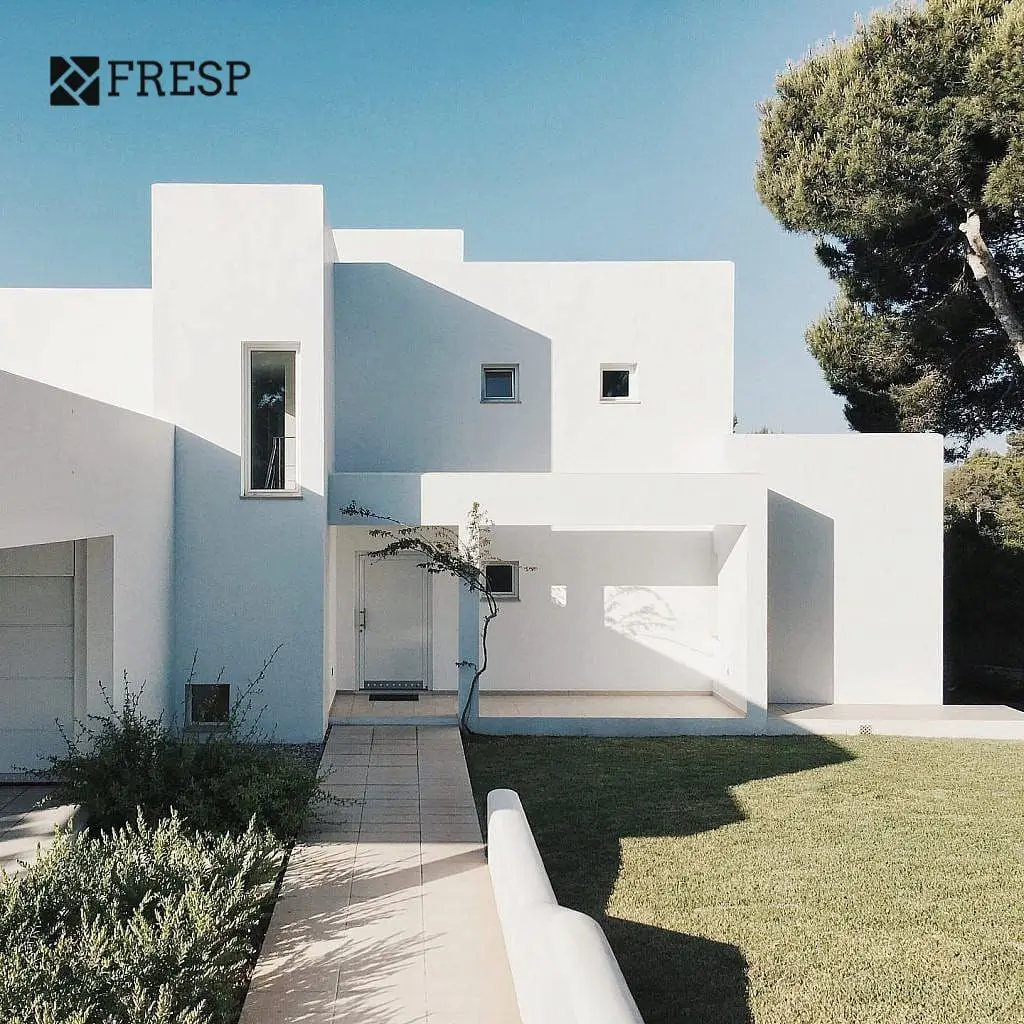
Solid and empty cubic forms with matching shapes, details, and colors usually define the general idea. Usually just one or two kinds of materials are employed, so avoiding over combinations.
This design is distinguished by neutral tones, particularly white, which emphasize its contemporary and harmonic nature. Simplicity is frontmost in minimalism so that refined and powerful designs can be created.
Key Factors in Facade Design and Construction
In practice, these facade design factors are closely interconnected and must be considered early in the design process to avoid costly revisions during construction.
Maybe you have stumbled across a building’s facade walking down a street and stopped to examine it more closely.
Alternatively, picture a structure so well known in a city that directions are often given using it as a landmark. But what exactly makes a facade design so successful that it leaves such a lasting impression on viewers?
Let’s investigate the main elements affecting facade construction and design:
Geographic Location and Climate
The climate and the region in which a building is located have a direct impact on the design of the building’s facade and the choice of materials. Climatic conditions such as temperature, humidity, rainfall, sunlight, and wind determine the type of materials and design style.
For example, in hot and dry areas, it is recommended to use materials with high thermal insulation and light colors to reduce heat absorption, while in humid areas, it is essential to choose materials that are resistant to moisture and rust, such as stone or stainless metals. The design of the facade should be such that, in addition to beauty, it ensures durability and functionality against environmental conditions.
Building Type and Function
A building’s facade design is mostly shaped by its intended use and purpose. The facade should represent the purpose of the structure and harmonize the external appearance with the internal operations.
For example:
• Residential constructions: Facade designs frequently feature warmth, comfort, and natural materials like stone or wood.
• Commercial buildings give visibility, visual appeal, and an inviting environment top importance.
Office structures: Simple formality with clean lines using modern materials like glass and metal is emphasized.
• Cultural or religious structures have symbolic facade details and materials consistent with their cultural or religious nature.
•In office buildings, facade design usually emphasizes simplicity, formality, and the use of clean lines and modern materials such as metal and glass.
In every circumstance, the facade should visually reflect the nature and purpose of the structure.
Regulatory Standards for Facade Design
Following municipal facade design regulations is one of the most important part of the process. These rules are to maintain balance, harmony and urban identity. They can cover height, color schemes, materials and decorative details. Following these rules prevents conflicts and legal issues (design rejection, fines or even demolition) and creates safer and more cohesive urban spaces.
In the end, following these rules helps to build sustainable, beautiful and integrated environments for residents and visitors.
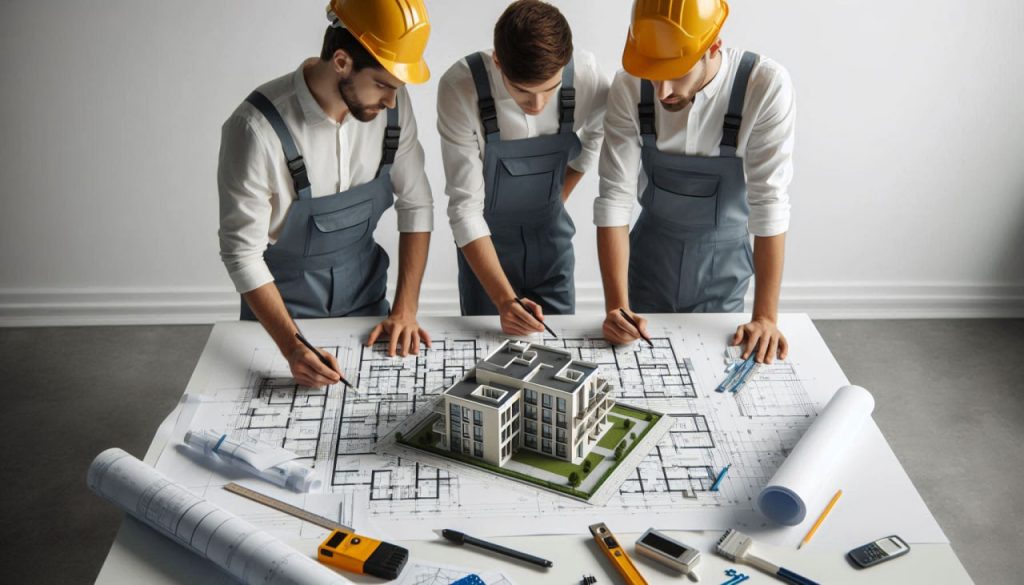
Methods of Building Facade Execution
The ways to execute a building facade depends on the design and materials which is used. Each has its pros and cons. Here are the most common methods:
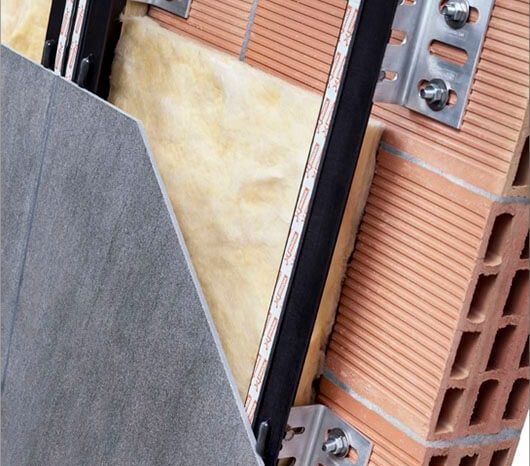
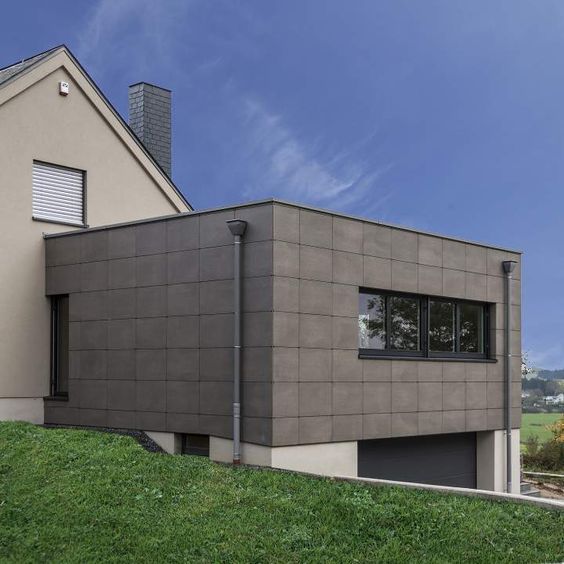
Dry Facade
In the dry facade method, materials are installed mechanically with support systems, screws and fasteners – without mortar. This has several advantages:
• Installation speed is faster and more precise.
• Easier maintenance and repair
• More durable against moisture and temperature
Dry facades are perfect for modern projects that value efficiency, longevity and precision.
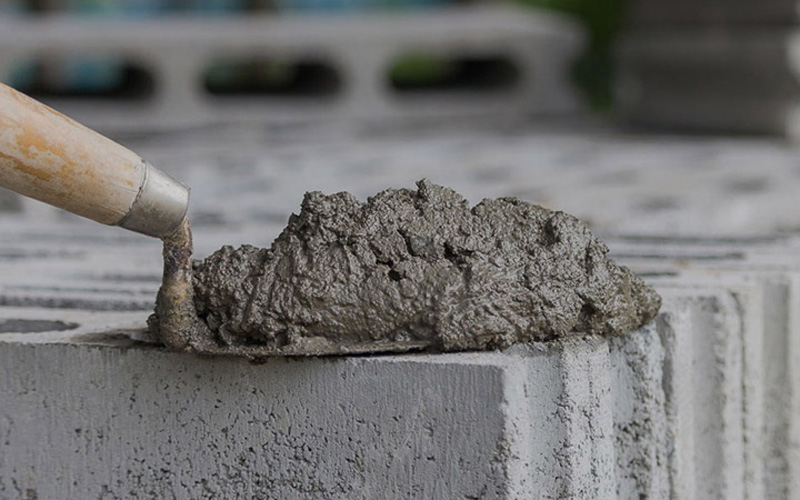
Mortar-Based Facade
In this method, facade materials are attached to the structural wall with cement and mortar. The benefits are:
• High fastening and structural integrity.
• Aesthetic continuity and smooth surface.
• Often used in classical buildings to give a sense of firmness.
Mortar-based facades bring strength and timeless beauty, perfect for designs that need a durable, solid look.
Adhesive Installation
This method uses specialized adhesives to attach facade materials like stone, ceramic or similar components. The advantages are:
• Less material weight and easier to install.
• Execution time is shorter than the mortar-based methods.
• Strong bonding that ensures the facade is resistant.
Each of these execution methods can be chosen according to project requirements, materials and environmental conditions, affecting both the building’s performance and its looks.
Several types of dry facades
Principles of Facade Design at Fresp Architecture
Facade design at Fresp adheres to a set of basic rules guaranteeing functional performance as well as aesthetic quality:
• The lifespan and caliber of a facade depend much on the quality of materials used. Materials are chosen according to the architectural style and intended use of the structure to create a pleasing and practical outcome. Fresp’s facade designers offer inventive and clever responses to problems brought on by local ordinances. Following these rules helps projects to get approvals quickly, therefore guaranteeing prompt implementation.
• Compatibility with the urban environment: The planned facade must naturally fit the surroundings, therefore improving the city scene. Buildings should appear to be a natural extension of their environment, so avoiding visual dissonance or interference.
Following these guidelines guarantees Fresp that every facade is also practical, sturdy, and completely in tune with its environment, not only a stunning architectural statement.
Stages of Building Facade Design and Execution
The process of designing a building facade generally includes the following stages:
1. Environmental and Site Survey
One must study the site and surroundings before starting work on the facade. The geographical, climatic, social, and cultural elements of the location are to be known as part of this study. The choice of form, materials, and architectural style is influenced by things like weather conditions, local architectural types, metropolitan setting, and cultural identity.
2. Identifying goals and needs
A very important first step in making sure the facade satisfies the customer’s needs and expectations is to define them. This phase comprises:
• The desired purpose of the building—residential, commercial, office, etc.
• Factors influencing budget and schedule
• Selected design flair
Furthermore, considerations including appearance, usability, energy efficiency, and user comfort have to be handled. Understanding of these needs guarantees the outside is carefully and purposefully crafted.
3. Understanding of Concepts
Initial design ideas are created according the requirements and studies. These ideas, patterns, and orientations help to direct the general surface design.
4. Preliminary Architecture
Using design software or hand drawings, tentative facade ideas are developed at this stage. Often, these designs start with initial details and material choice.
5. Development of designs
The facade design is carefully adjusted once the preliminary design is authorized. This phase calls for careful analysis of texture, color, and lighting to produce a coherent and aesthetically pleasing result.
6. Obtaining permits and legal compliance
Designs have to adhere to municipal rules and local laws. All essential papers and blueprints are turned in to the proper agencies in order to get the required permissions.
7. Development Oversight
Once the design is approved and permissions are secured, the designer oversees the building process to guarantee correct execution of the design.
8. Evaluation and feedback
User and resident input is gathered after project completion to assess the flaws and benefits of the design. Future projects benefit from lessons learned.
Following these phases helps designers to produce façades that are aesthetically arresting, effective, and fully suited to users’ needs.
Simple and Elegant Building Facades
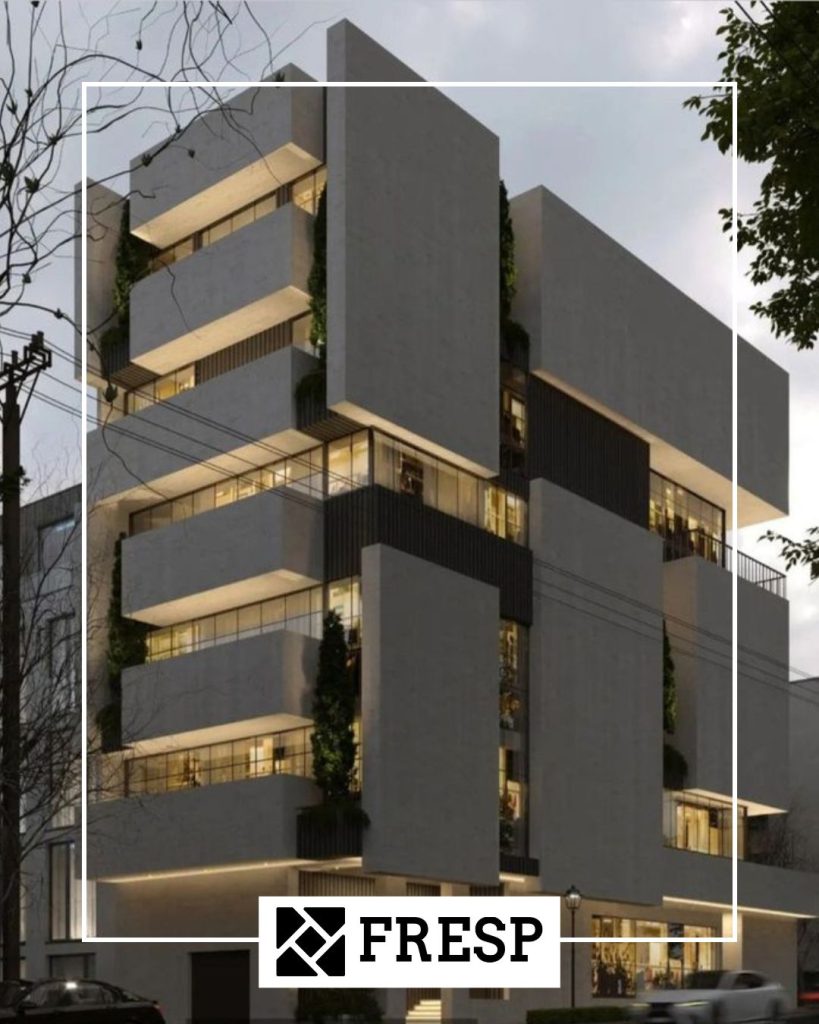
Both inside and outside architectural styles have changed over time to be more simple and minimal. Emphasizing clean lines and functional beauty, modern designs provide sophistication in its most basic form.
Public preferences have lately seen a remarkable shift. Modern and minimalist designs are increasingly taking the place of classic and Roman style facades with elaborate features.
Modern and basic facades are more cost-effective as well as fashionable and current. Usually these are constructed less expensive than conventional facades, hence reducing material costs without compromising appearance. Because of these features, many consumers looking for elegance, functionality, and affordability have discovered contemporary facades to be a preferred and appropriate choice.
Affordable and Cost-Effective Building Facade Design
One must understand that cheap prices and affordability on modern and minimal facades do not imply a reduction in quality.
Apart from serving as its stylistic identity, the building’s facade is an important aspect of any building since it also acts as a defensive shield against natural Events: wind, rain, storms, sunshine, noise pollution among other factors that cause damage.
Quality always comes first at Fresp.
All designs and executions are done utilizing premium materials and following the most recent criteria. Entrusting Fresp your facade design guarantees your building a contemporary and beautiful appearance while keeping great toughness and resilience against outside elements. In all our endeavors, beauty and strength go hand in hand.
The price of building facade design
One of the main concerns for clients regarding facade design is cost, which depends on several factors. Before exploring these factors, it is helpful to understand how facade pricing is calculated.
How Facade Pricing is Calculated
Usually computed per square meter, facade design prices range from. For instance, the entire facade area of a structure 12 meters wide and 20 meters tall is first determined. The designer’s rate is then applied to the area to establish the price.
Should the structure be multi-sided, the area of each side is computed independently before to be added together to arrive at the final price. Including windows and balconies in the calculation is also very crucial. Thus the ultimate cost takes into account any architectural features as well as the overall facade surface.
Factors affecting the price of building facade design
Designing a building facade is one of the most important steps in construction, not only influencing the aesthetic and identity of the building but also its economic value. Several factors affect the cost of facade design:
1.Complexity and Design Style
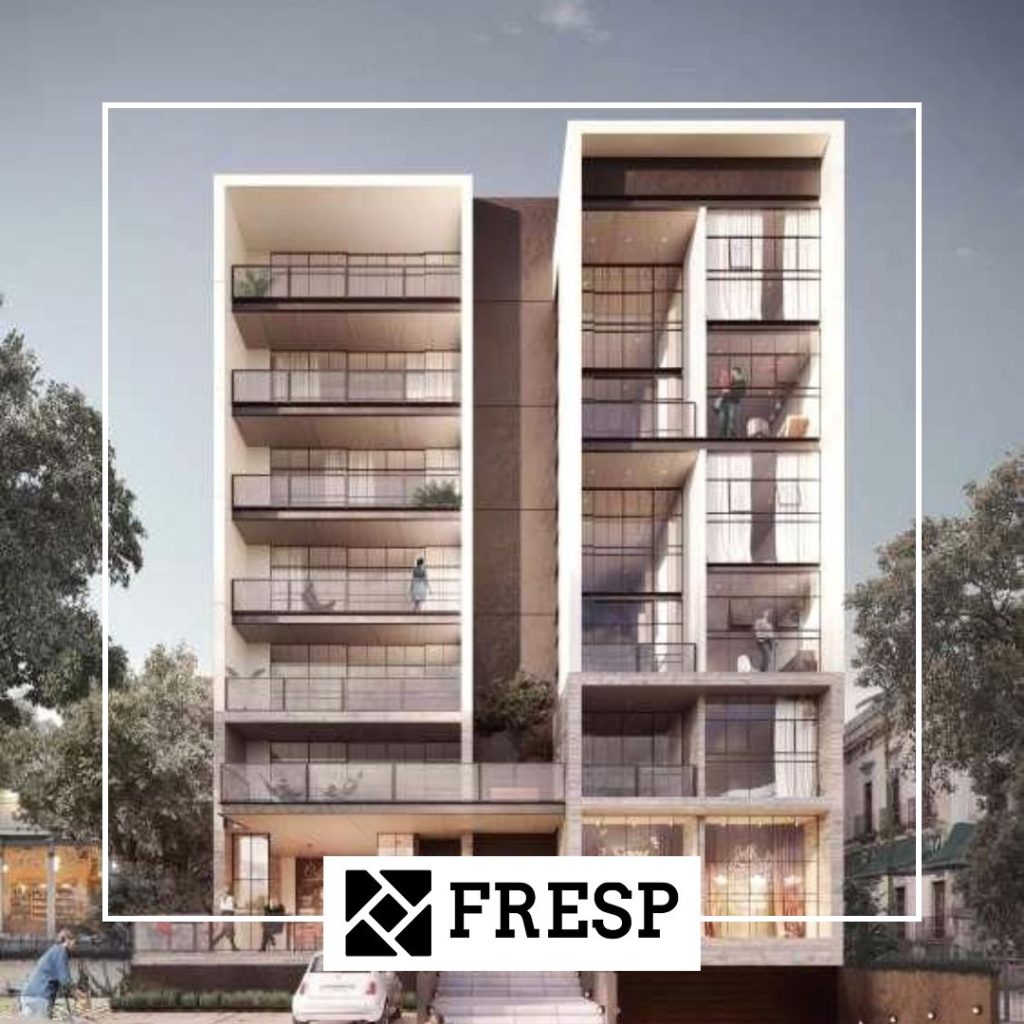
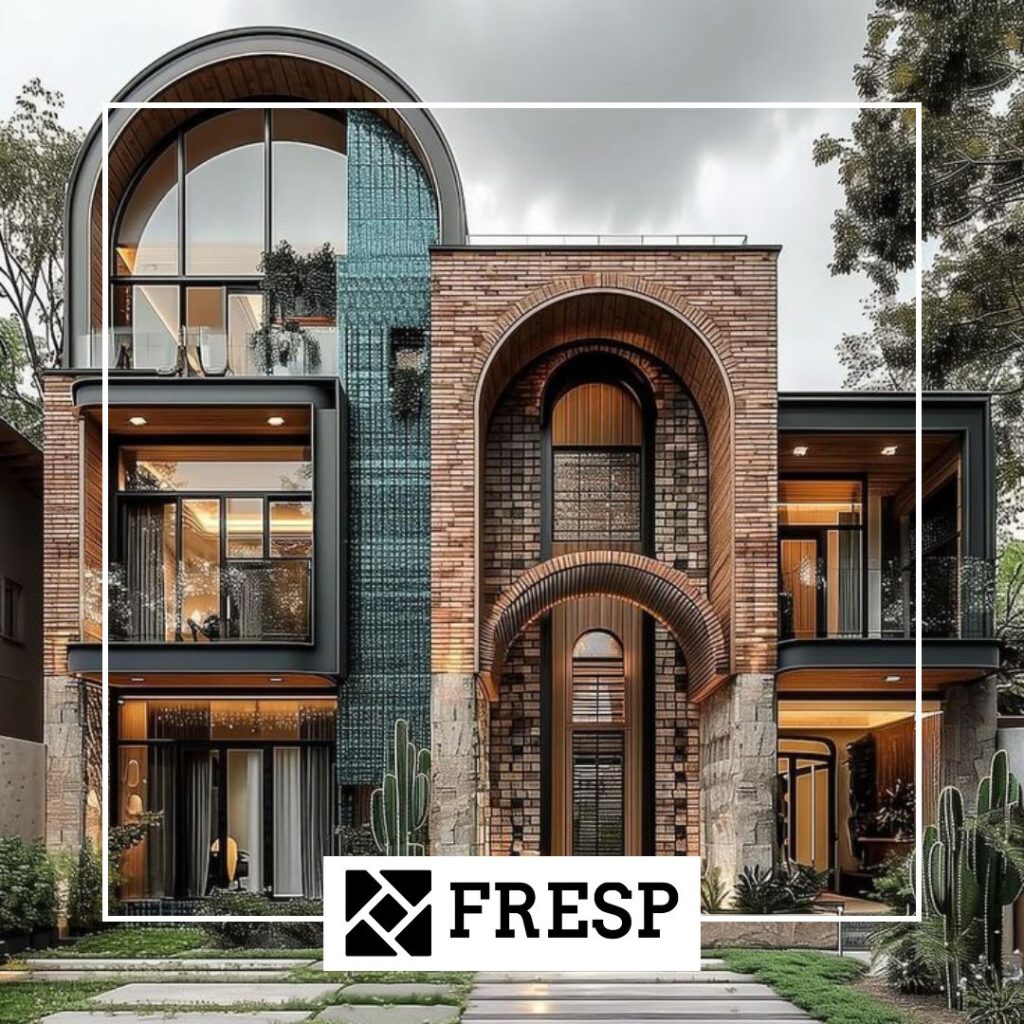
The price is greatly affected by the design approach selected—contemporary, classical, neoclassical, or minimalist. Additional time and labor are needed for more sophisticated designs with elaborate features, curves, or unique decorations, therefore raising the overall cost.
2. Used Resources
Pricing depends heavily on the materials chosen. Inexpensive options like composite panels offer a budget-friendly choice. However, high-quality materials such as natural stones, specialty glass, or luxury metals raise the costs.
3. Project Dimensions and Size
Naturally increasing prices, bigger facades need more materials and maybe several layered or integrated design solutions.
4. Design Experience and Reputation
Often charging more, experienced designers or professional design teams’ knowledge adds great value to the project and increases the property’s monetary worth.
5. Municipal Regulations
Local rules and regulations may set specific design standards. These can impact both the project’s time and cost.
6. Project Timeline
Should the customer request a faster design, additional fees may be charged to cover the greater effort and faster turnaround.
Several elements affect the construction of facade designs: geographic site, designer experience, materials, and design intricacy among them. Knowing these elements enables customers to plan better and make wise decisions, so guaranteeing they get the best design within their means.
Conclusion
Designing the appearance of a building outside is not easy, it is a complicated process. Depending on a multitude of things the final cost can vary to a large degree: How detailed the design is, what kind of materials are used, the skill level of the designer and even the building’s location. Clients will be able to budget effectively and make the right choices by knowing these factors, thus getting the best design solution which is within their budget.
Building facade design order
Fresp has more than a decade of experience and is the expert in the facade of the building through professional design and implementation by facades photonic, perforated metal panels, and dry ceramic facades.
Feel free to get in touch with our seasoned advisors who will be more than happy to assist you with your next project through a free consultation. In addition, with our help, you can create a facade that will be both structurally resilient and visually appealing and will actually stand the test of time!
Why Fresp?
Fresp has been a leader in the architectural façade field for more than ten years. One of the ways the firm has been able to distinguish itself within the market is by creating unique and innovative facades. We try to combine the best of aesthetics, and usability. and longevity in each project that we deal with. Customer satisfaction is at the core of what we do, and by dedicating ourselves to quality.
Our goal is to design facades that not only enhance the building’s appearance but also have a positive impact on the urban environment.
Facade Design Based on Building Function
Building facades are an integral part of architecture. In terms of looks they also play a great role in the function of a building, its durability and how it fits into its setting. We look at how to best present each type of building with choice of style and materials that also include consideration for function and look.
Below we have included a study of facade design as to what works best by building type:
Apartment Building Facades
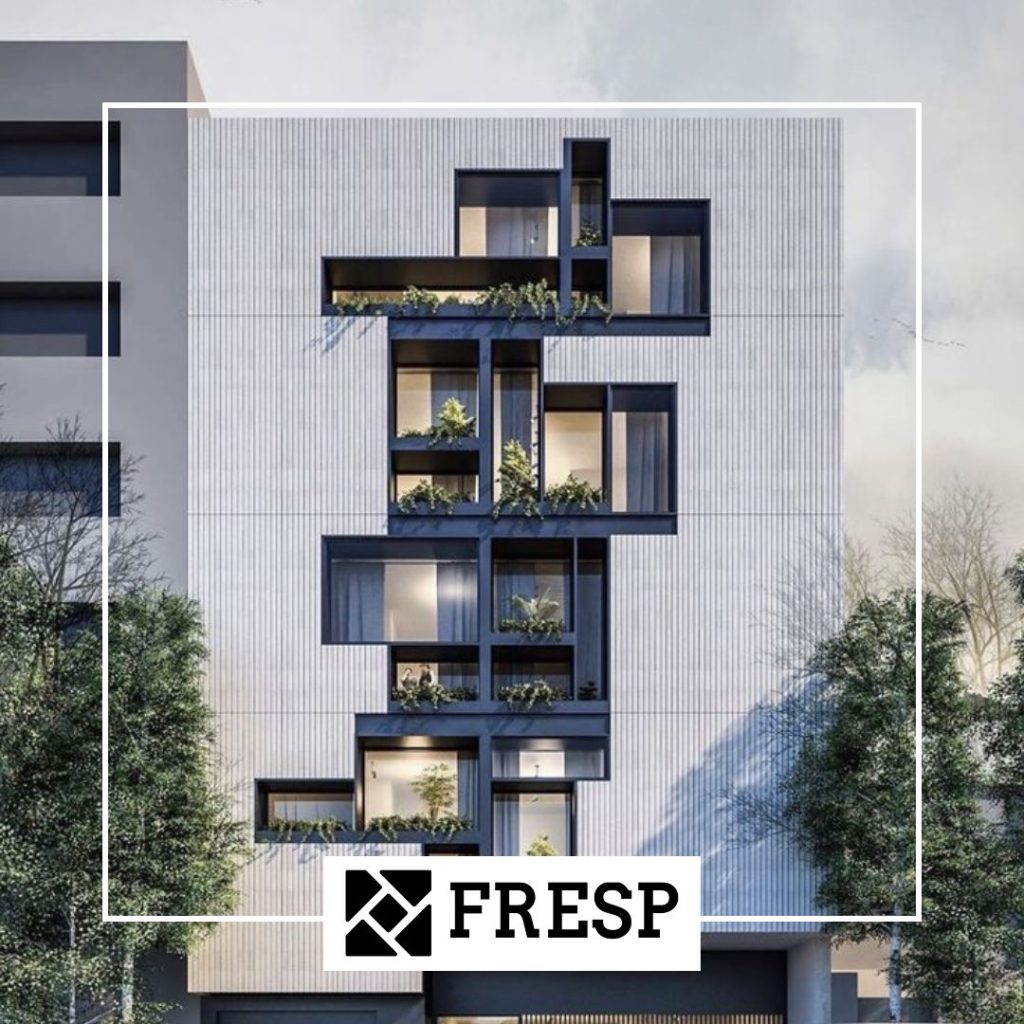
Apartments play a major role in forming the urban environment which is why we see in them a balance between aesthetics and their location as a priority . Also of great import is the design of windows and balconies which in turn play a large role in the amount of natural light that comes in and over all visual feel of a place . Stone , brick , cement , composites , and curtain walls are also the common choices for durable and economic solutions . Luxury apartments today see the use of natural stone and glass in contemporary or traditional facades . More affordable apartments may have brick or white cement finishes . In Tehran a residential apartment may present a mix of travertine and glass which at once creates grand scale and natural light .
Villa Facades
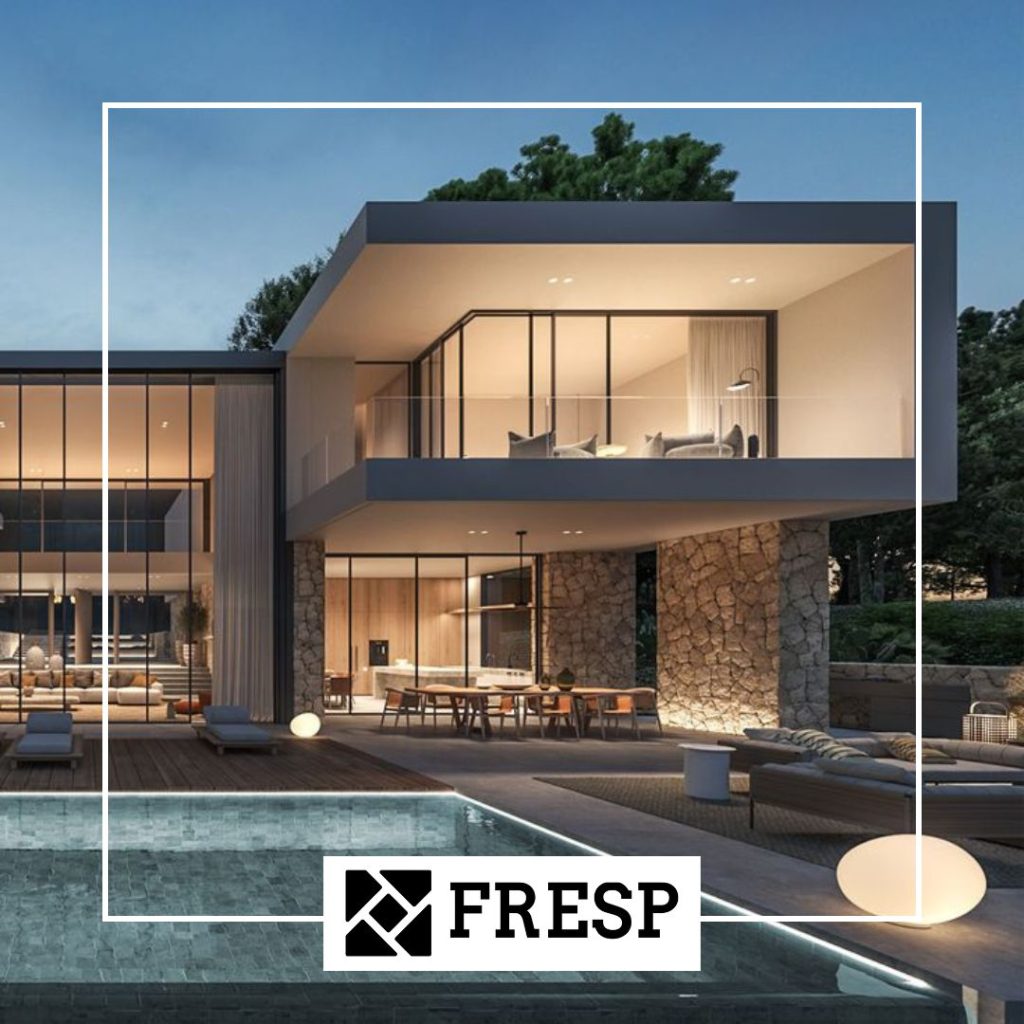
Stand alone villas offer great design freedom. For a modern feel, mix glass, concrete, metal, and wood for a simple, impressive look. If you favor classic style, natural stone, columns, arches, and detailed features can give your villa a timeless charm.
Think about the location. Wood and glass work well in wooded settings, while natural stone fits nicely near mountains.
Commercial and Office Buildings
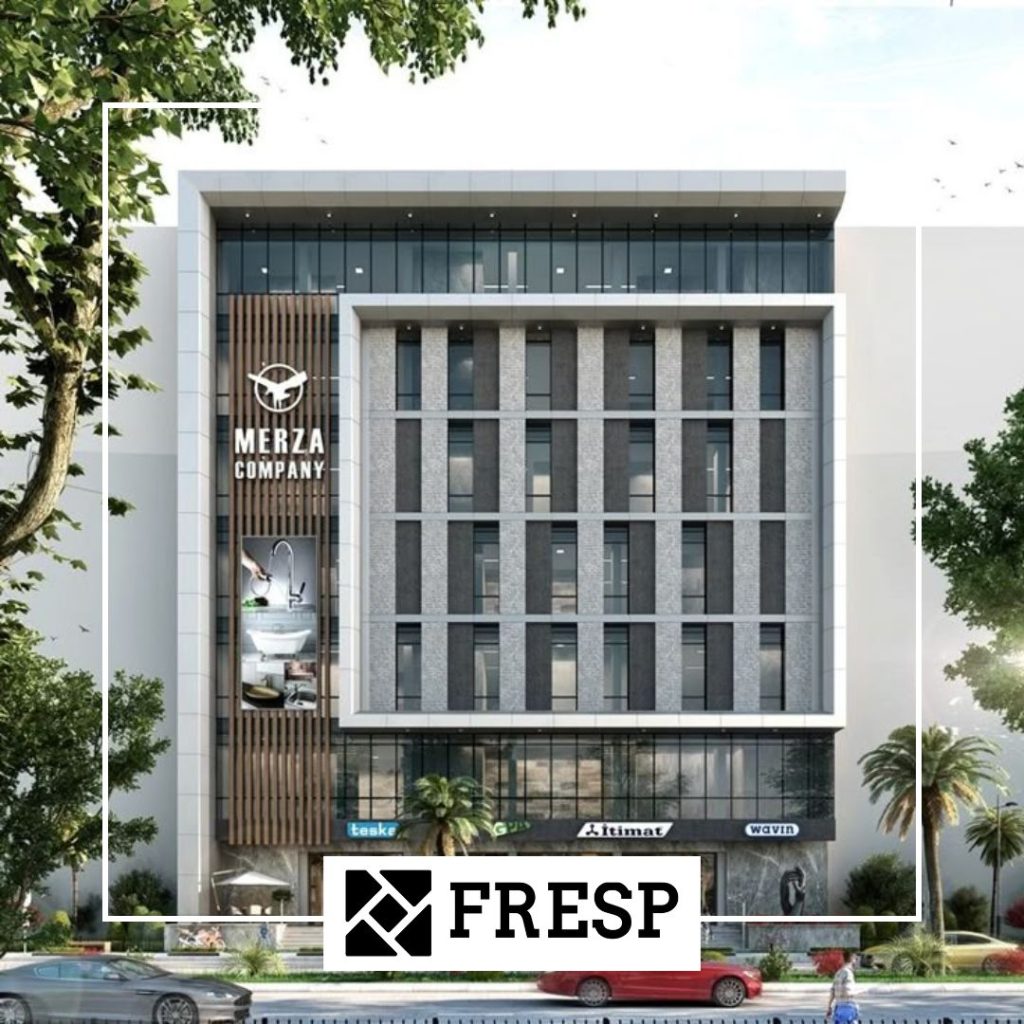
Commercial and office facades must convey professionalism and modernity while being visually attractive . Materials like glass , aluminum , curtain walls , and composites are commonly used for energy efficiency and modern appeal . Commercial buildings focus on inviting facades and strategic lighting to attract customers . Office buildings emphasize functionality and energy efficiency ; for example , double glazed glass or double skin facades significantly reduce energy consumption .
Residential Complexes and High Rise Buildings
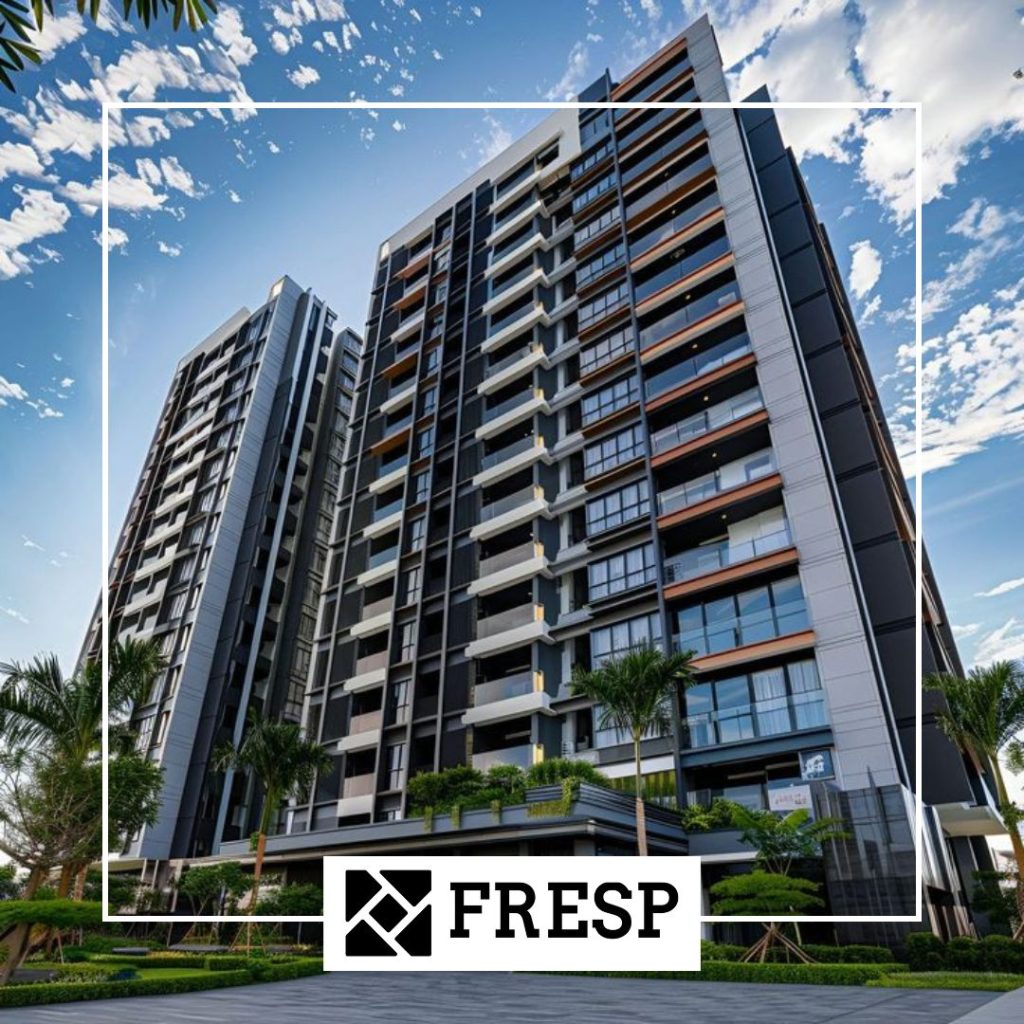
For larger complexes and towers , considerations include cost , maintenance , durability , and overall harmony . Facade design should maintain uniformity across the project while using repetitive patterns to reduce costs and speed up execution . Materials such as stone , dry ceramic , curtain walls , and composites are common due to high durability and cost effectiveness . Materials like exposed concrete , stone , wood , and glass convey durability , authenticity , and transparency .
Cultural and Educational Buildings
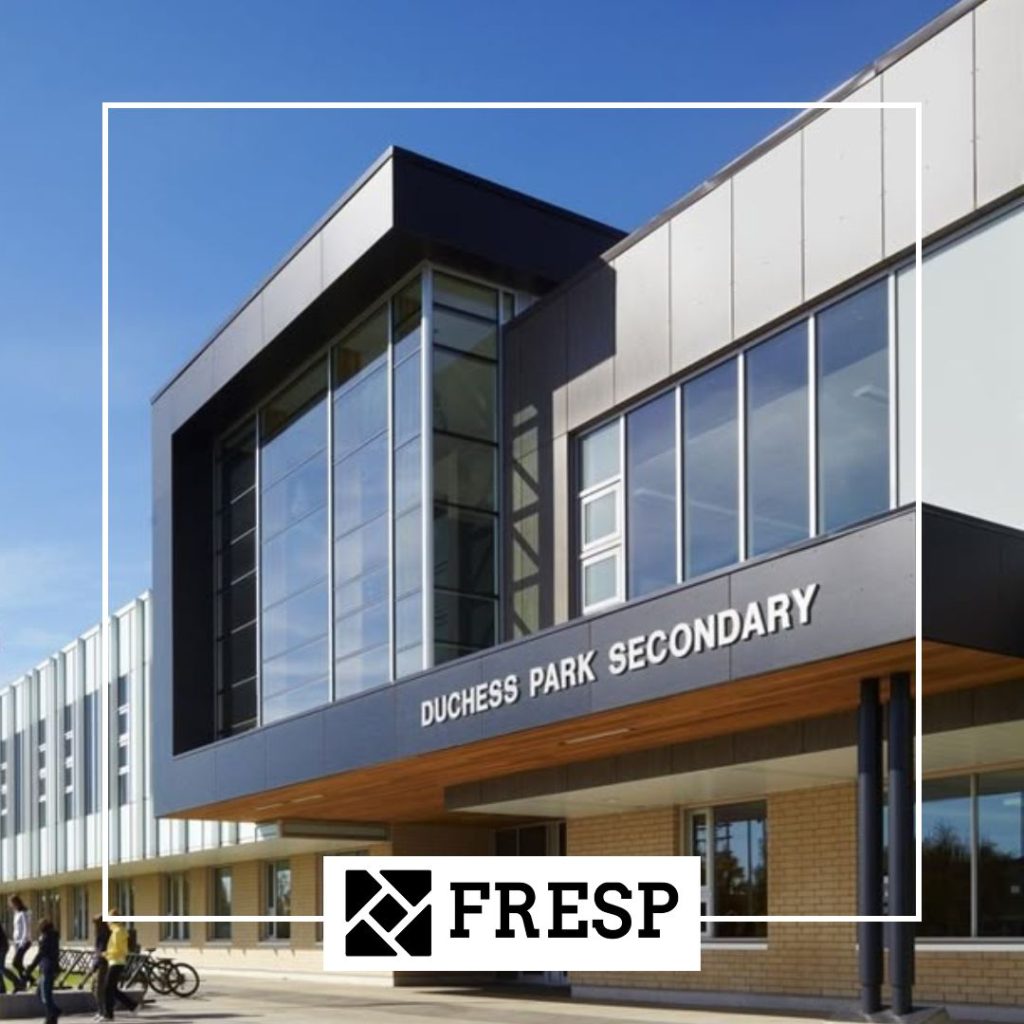
Museums , universities , libraries , and theaters require facades that reflect their cultural and social identity . Climatic factors must also be considered , such as using sunshades or reflective glass in hot , dry regions . Incorporating local architectural elements enhances the sense of place . Easy to clean and hygienic materials such as artificial stone , anti stain glass , and specialized ceramics are used .
Healthcare and Hospital Buildings
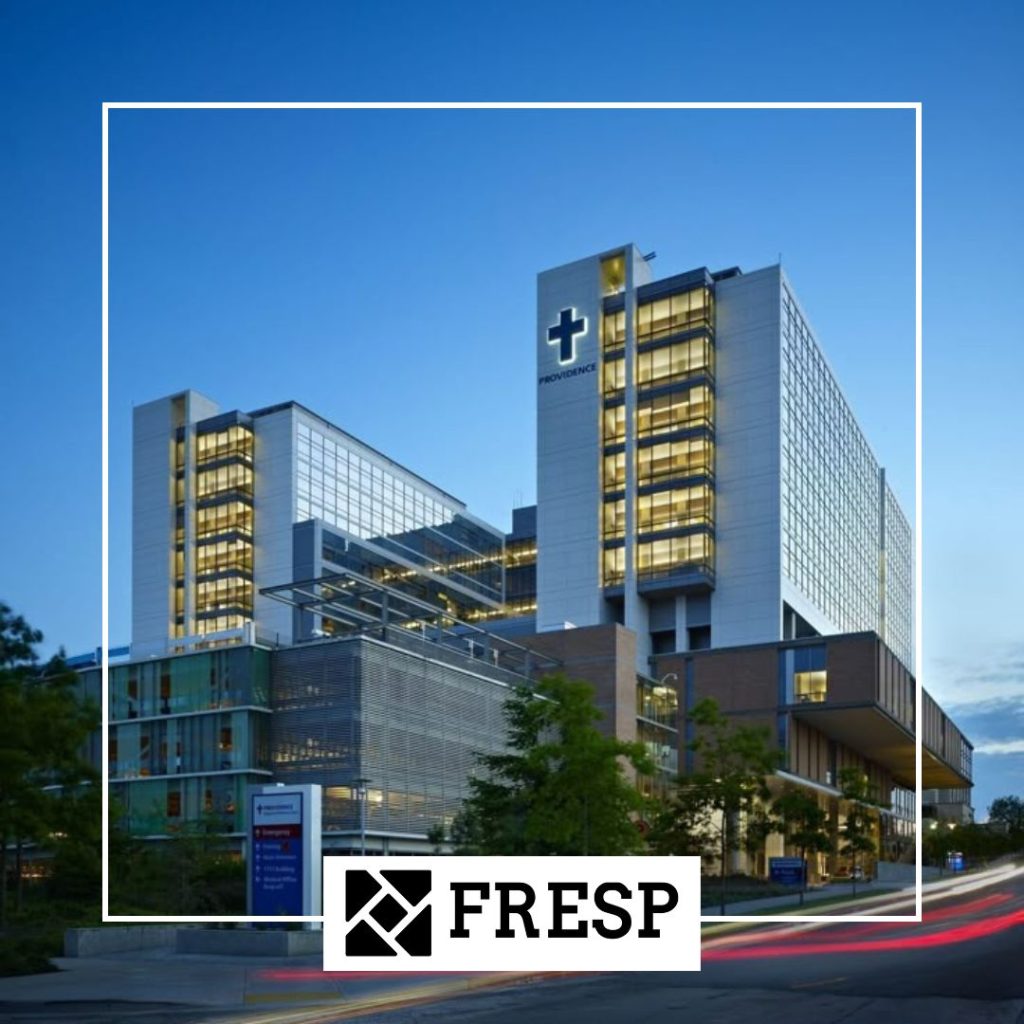
Healthcare facilities require facades that promote calm , cleanliness , and trust . Light colors and proper lighting enhance patient well being . For example , a modern hospital with a white facade and natural lighting fosters a sense of serenity and hygiene .
Depending on the type of building , the design style , materials used and how it is implemented will vary . The facade of a building is one of the most important parts of architecture , which in addition to affecting its beauty , also indicates its identity and use . Apartments need to be in harmony with the urban context , villas should have a strong connection with nature , Residential complexes should use durable and economical materials , office and commercial buildings need modern and efficient design , cultural buildings should express social identity , and medical buildings should convey a sense of peace and trust . Choosing the right material , observing climatic principles and paying attention to functional and aesthetic needs both contributes to the durability of the building and increases its economic value and quality of life .
Top AI Tools for Facade Design
Today , AI based tools can perform creative designs , 3D modeling , energy analysis , lighting , and even optimization of building materials in the shortest possible time . This technology not only speeds up the design process and reduces implementation costs , but also enables the creation of more sustainable and environmentally friendly facades . Digital transformations and advances in artificial intelligence have taken the architecture industry to a new level , where facade design no longer relies solely on human creativity , but is a combination of intelligent algorithms , environmental data analysis , and advanced modeling . Below , we introduce four top artificial intelligence tools that are very practical and easy to use for facade design . AI helps architects focus on optimizing and fine tuning projects instead of spending long hours creating preliminary designs .
1. Midjourney
It conceptual images from text prompts , allowing architects to experiment with styles and materials for unique facades . It analyzes environmental data such as sunlight angles , wind flow , and energy consumption to provide optimal designs in terms of both functionality and aesthetics .
2. DALL·E
Converts textual descriptions into precise architectural visuals , helping architects quickly visualize ideas and explore design options .
3. Autodesk Forma (Alias AI)
Autodesk Forma Alias AI is one of the most advanced facade design software tools . This tool is ideal for architects aiming to create buildings with high performance and energy efficiency . It allows architects to present their outputs with higher clarity and professional appeal , making it particularly useful for quick presentations to clients or architectural competitions .
4. Fotor AI
This tool is very useful for quickly preparing images for presentation to employers or architectural competitions . As an AI tool for editing and improving the quality of rendered images , it allows architects to present their outputs with a more professional clarity and look . Finally , ArkDesign AI is one of the most advanced parametric design tools that allows architects to create complex patterns , innovative geometric forms , and uniquely structured facades with just a few clicks . This tool is ideal for designing modern and unconventional facades that require a parametric approach .
As this technology advances , architectural design will increasingly move toward automation , cost reduction , and increased energy efficiency . Artificial intelligence in facade design has pushed the boundaries of creativity , allowing architects to move the design process forward faster , more accurately , and more efficiently . Tools such as Mid journey , DALL E , Autodesk Forma , Fotor AI , and ArkDesign AI , each assist architects in different areas , from initial ideation to energy optimization and final presentation To design more beautiful , smarter , and more efficient buildings .
Facade Design Based on Materials: Combining Beauty, Durability, and Performance
Materials like glass and metal create a modern and technological appearance . Selecting the right materials depends on factors such as regional climate , project budget , architectural style , maintenance requirements , and building function . The choice of materials in facade design affects not only the aesthetics and identity of a building but also its durability , environmental resistance , and energy efficiency . Materials such as wood and stone provide a natural and classic feel . With technological advancements , new and hybrid materials are now available that combine beauty with insulation , light weight , and high durability . Below , we explore some of the most common materials used in facade design .
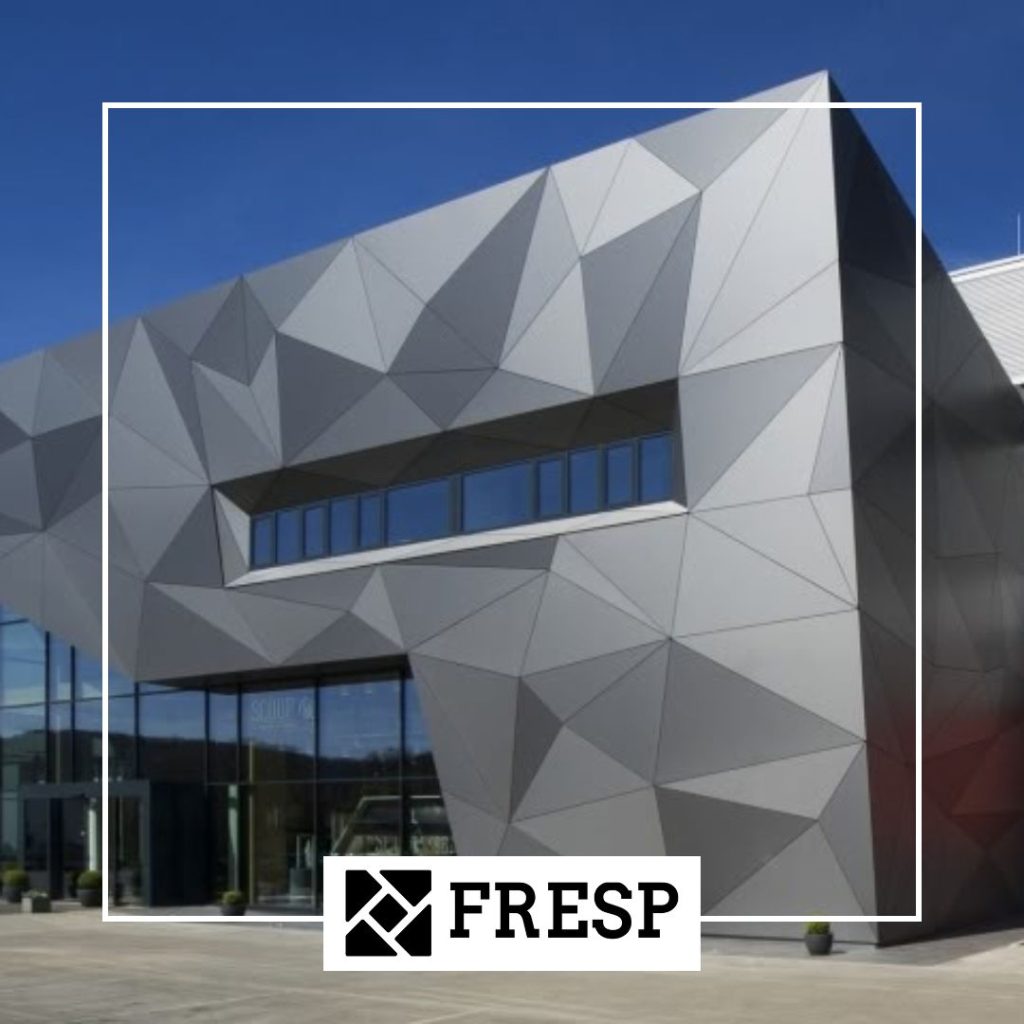
Composite Facade
One of the most popular modern materials in facade design is aluminum composite panels . These panels are widely used in office and commercial buildings due to their lightweight , versatility in design , high durability against weather conditions , and flexibility .
Composite panels feature protective layers that make them resistant to rust , corrosion , and UV rays .
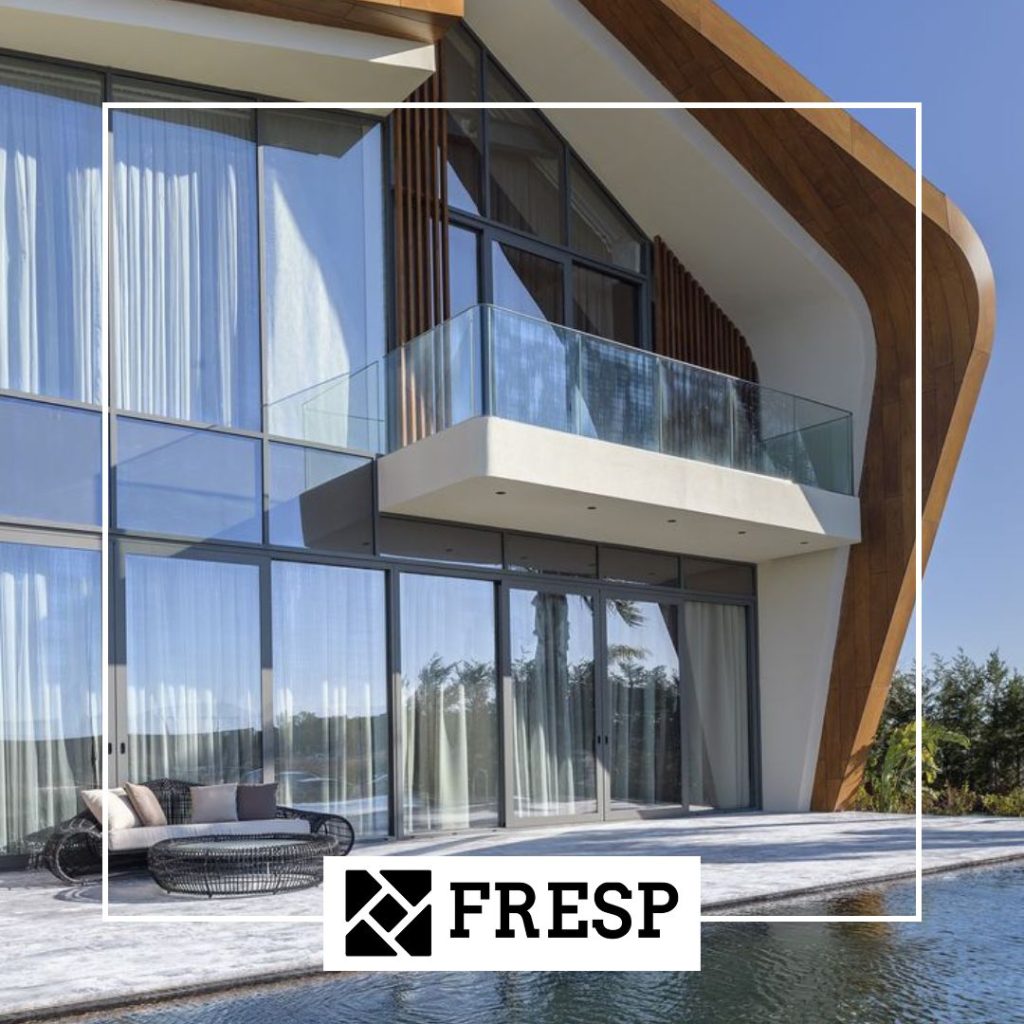
Glass Facade
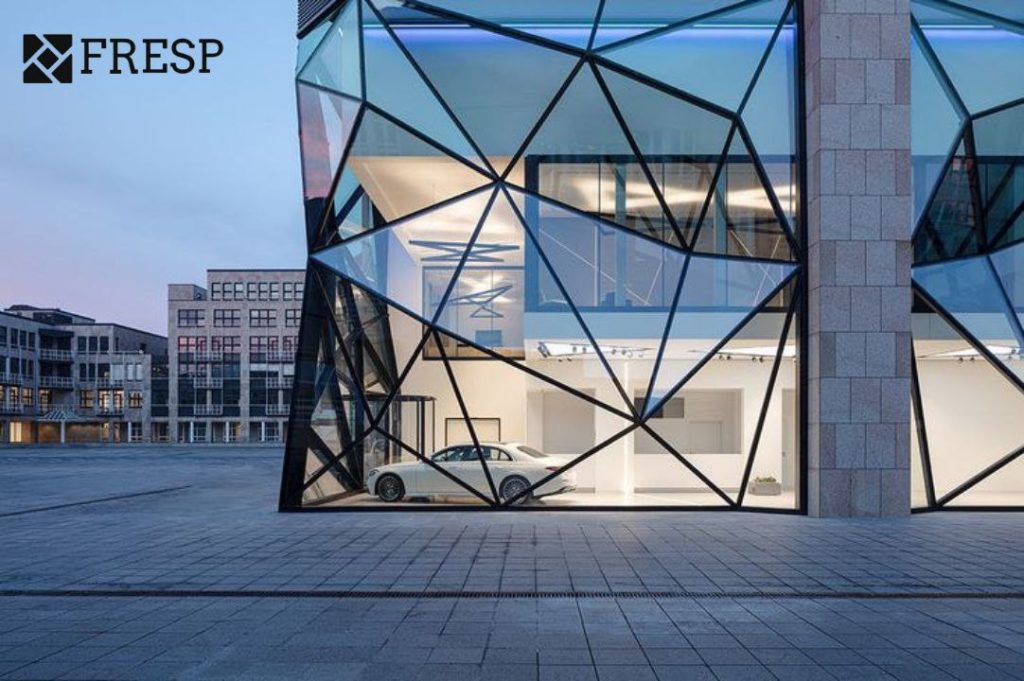
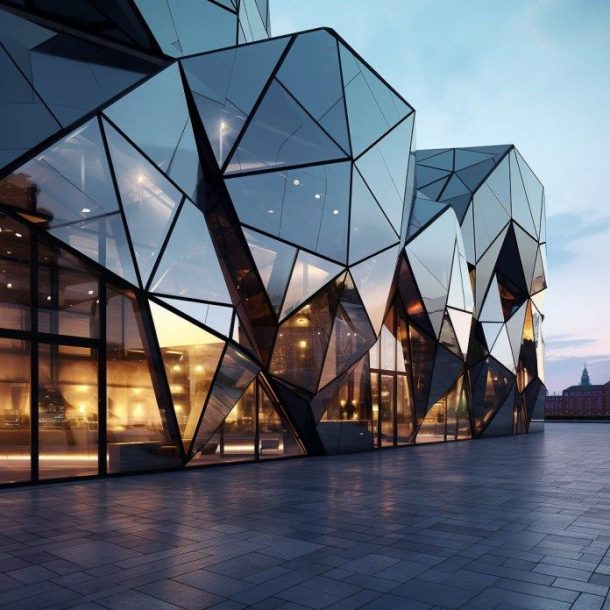
Glass facades are favored for their transparency , modern appearance , and ability to maximize natural light , making them ideal for high rise , office , and commercial buildings . Other advantages include quick installation , the ability to combine multiple colors , and the capability to create curved and three dimensional forms .
They are suitable for projects such as branding , modern buildings , and renovation of old facades . Beyond aesthetics , glass facades strengthen visual connection between interior and exterior spaces and give buildings a distinctive look . Glass facades can be executed in various systems such as curtain wall , spider , frameless , and double skin facades , each with its own unique features . Smart and double glazed glass improves energy efficiency and helps control interior temperatures .
However , they require regular cleaning , are vulnerable to impact , and can allow excessive heat gain in tropical climates
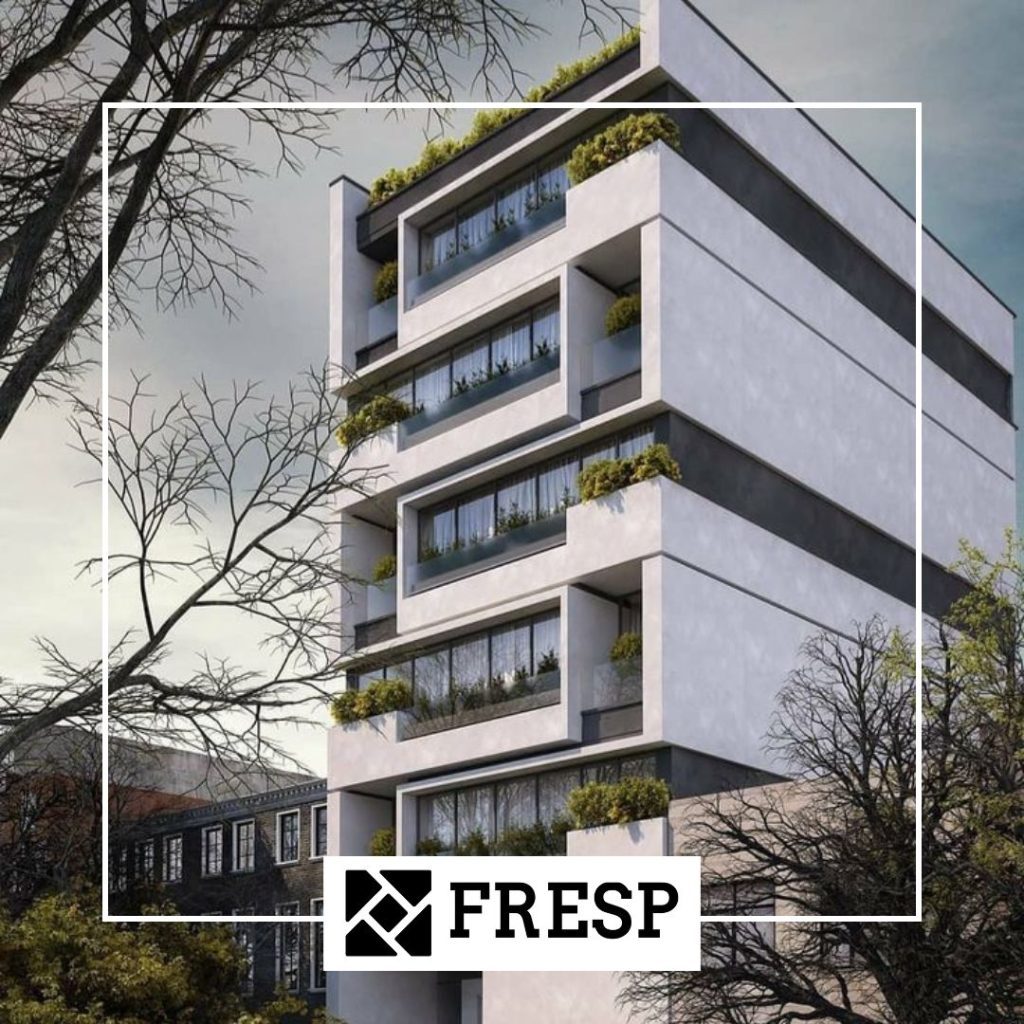
Ceramic Facade
Ceramic facades are popular in modern buildings due to their high fire resistance , low water absorption , wide variety of colors and patterns , and durability . They are typically installed as either ventilated dry facades or adhesive mounted facades . Ceramic panels are available in porcelain , 3D , and stone like designs .
Their smooth surfaces and low dirt absorption make them ideal for high traffic buildings like commercial and office complexes . Ventilated facades reduce structural weight , improve ventilation , and lower energy loss .
Stone Facade
Stone facades are a classic and luxurious choice for residential and office buildings , offering both beauty and high durability against environmental changes . Natural stones such as travertine , granite , marble , and sandstone are commonly used , each with unique textures , colors , and strengths . Travertine is highly favored in Iran due to its excellent adhesion and durability in various climates . Despite their beauty and longevity , challenges include heavy weight , high installation costs , and periodic maintenance .
Granite is extremely hard and less commonly used in high rise facades , but suitable for lower sections .
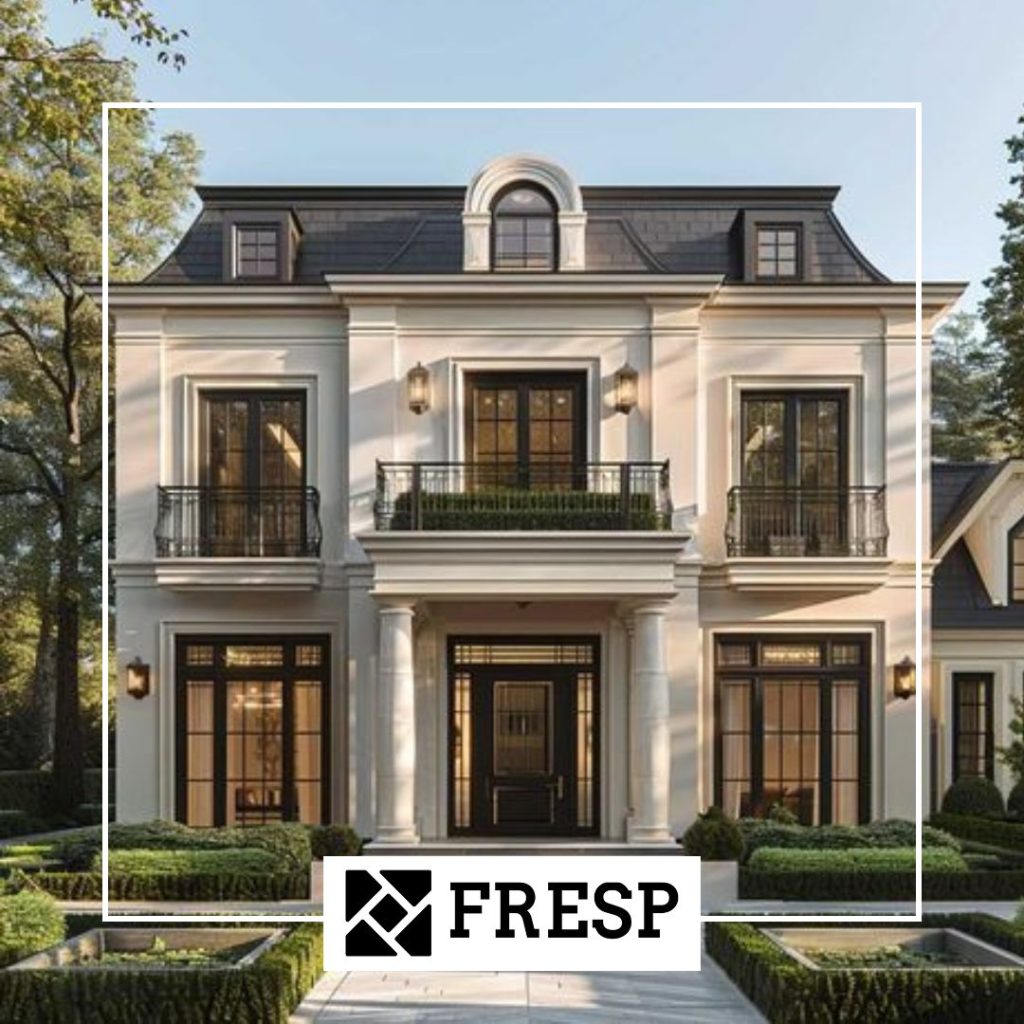
Metal Facade
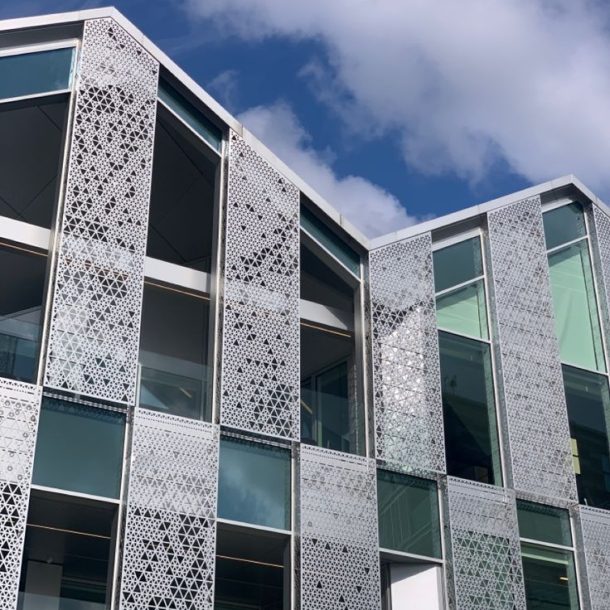
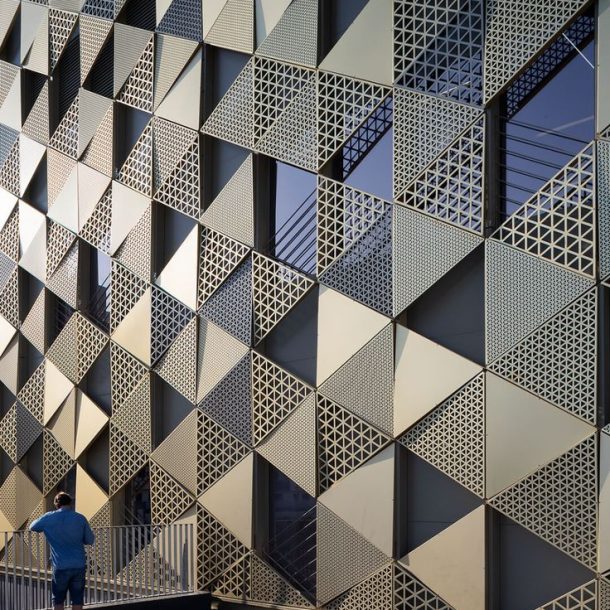
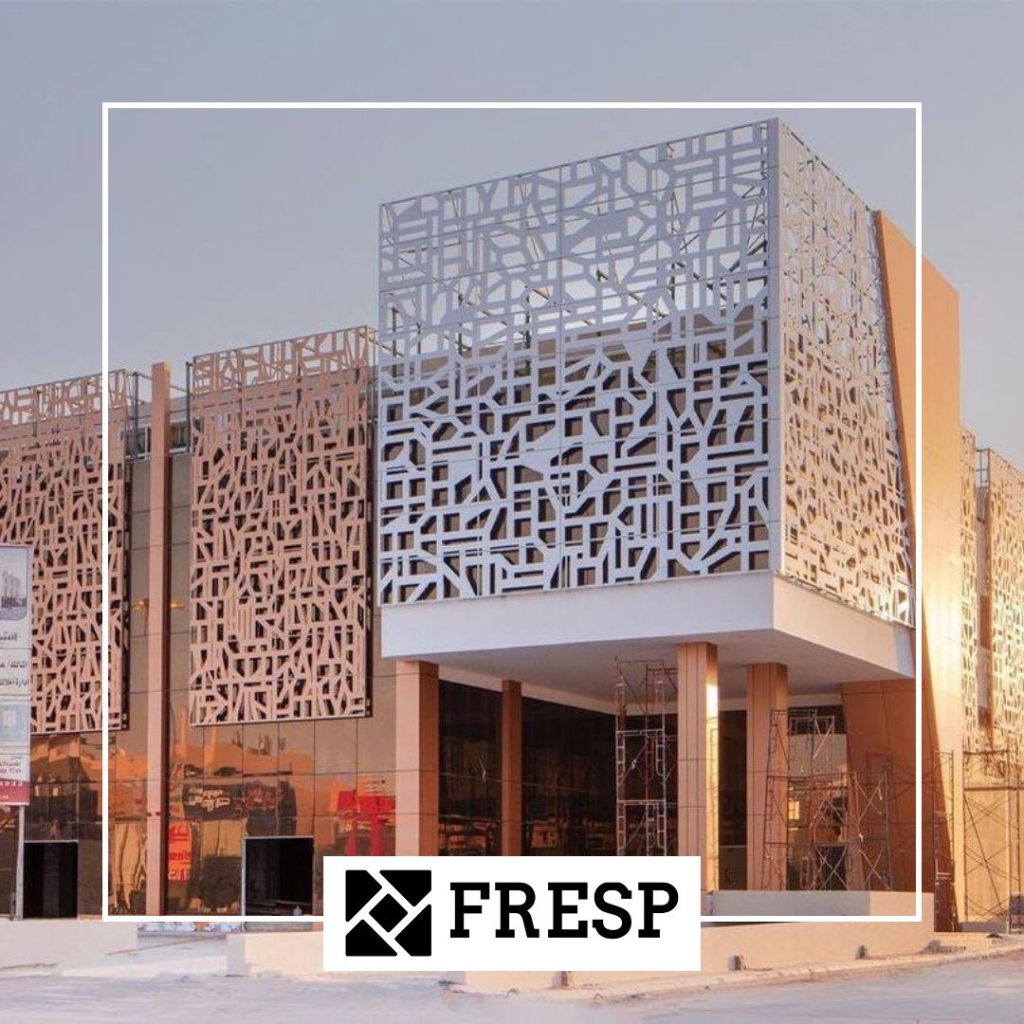
Metal materials such as aluminum , steel , perforated metal panels , and sandwich panels offer high strength and the ability to create modern and industrial designs . These materials are commonly used in office , commercial , and some modern residential projects due to their durability , light weight , and recyclability . Perforated metal panels are popular for creating custom patterns , controlling light , and improving natural ventilation . Anodized steel or aluminum panels are excellent for humid environments due to their high resistance to corrosion .
Wooden Facade
Wooden facades provide a sense of nature , warmth , and tranquility , making them popular in modern and rustic designs . Using treated wood , such as Thermowood , increases resistance to moisture , insects , and temperature changes , enhancing durability . Wood also acts as a natural thermal insulator , improving building energy efficiency . However , considerations include regular maintenance , higher installation costs , and fire sensitivity . Modern designs often combine wood with glass and metal , creating a unique and striking appearance .
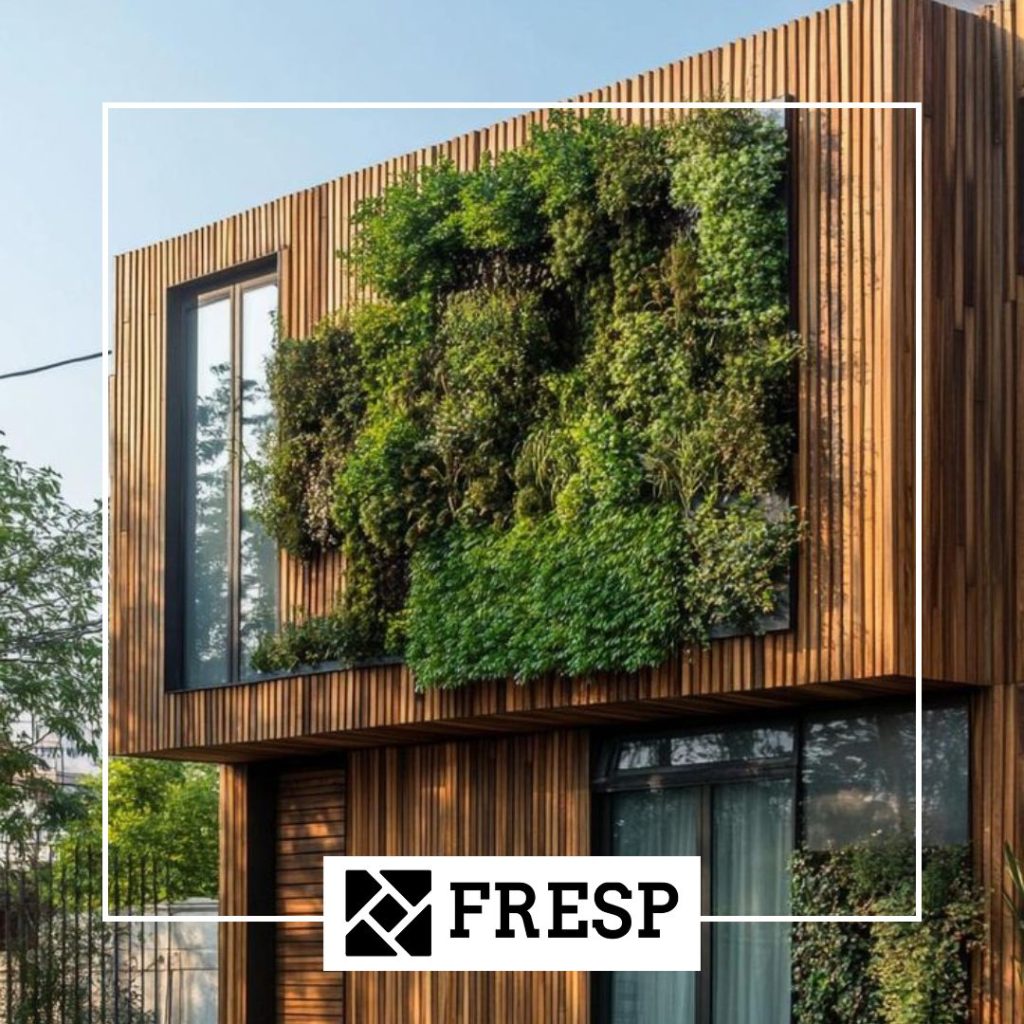
Choosing the right material for facade design depends on various factors such as architectural style , climate , budget , functional needs , and maintenance requirements . Glass facades are an ideal option for creating a luxurious look and good lighting , but they require more care . Composite and metal facades are suitable for modern and commercial buildings , while stone and wood facades are more commonly used in residential and villa buildings .
With the advancement of technology , the combination of these materials and the use of new installation methods have made it possible to create more beautiful , resistant and efficient facades . Ceramic facades are also one of the most widely used options in office and residential buildings due to their high resistance and modern appearance .
Building Facade Design by Fresp Architecture
Fresp Architecture has over 10 years of experience in designing and executing building facades . Each project is tailored to its specific requirements and follows global standards , resulting in unique , functional , and visually appealing designs that enhance both the aesthetic and performance of the building . By leveraging a team of experts and high quality materials , the company delivers facades that are modern , elegant , and durable for a variety of residential , commercial , office , and villa projects .
Our approach to building facade design is shaped by practical involvement in real construction projects, where early design decisions directly impact cost, performance, and durability.
At Fresp , we help you identify the needs and requirements of your project and provide the best facade design solutions . With over 10 years of experience , our team is ready to execute your project with the highest quality and in compliance with international standards . Based on the project details , we also prepare a clear and precise estimate of costs and timelines . For professional consultation and to begin your project , contact us today using the provided phone numbers .