Curtain Wall Facade
A convergence of transparency and solidity, a look that blurs the line between beauty and function.
What is a Curtain Wall(Glass Facade)?
Curtain Wall – Quick Overview
- A non-load-bearing facade system used in commercial and high-rise buildings
- Provides flexibility in architectural design and material selection
- Available in unitized and stick-built systems
- Requires precise detailing for thermal, water, and wind performance
- Plays a major role in building energy efficiency and exterior aesthetics
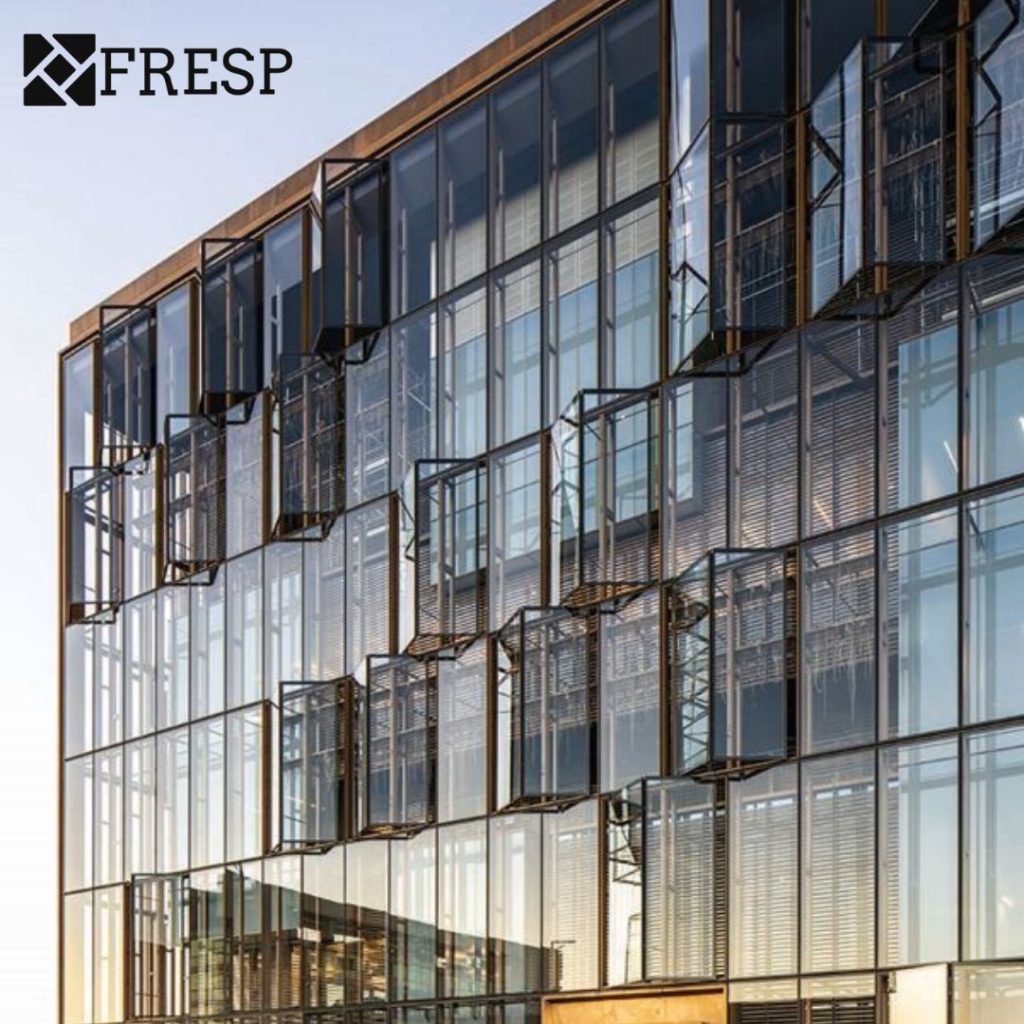
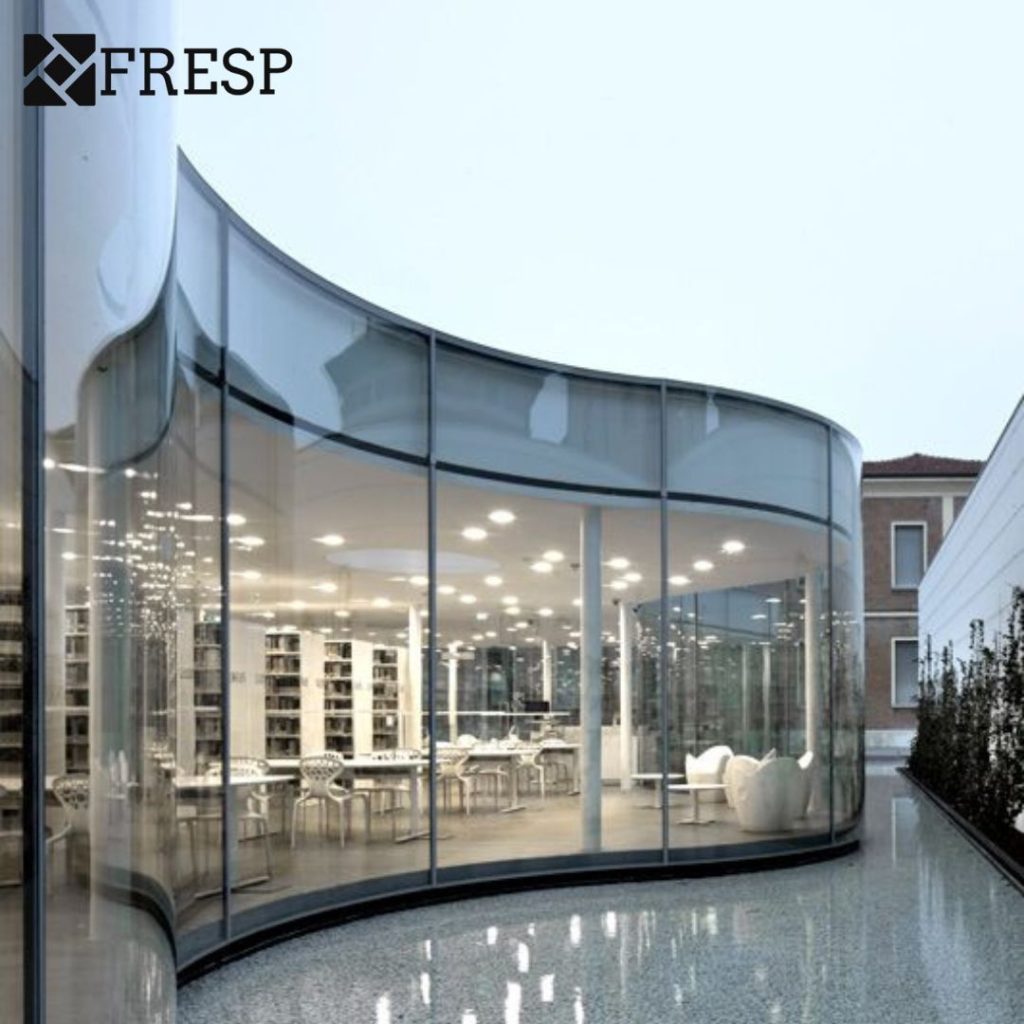
A curtain wall , also known as a glass facade is one of the most modern and widely used types of building facades in contemporary architecture projects . As a result , it is lightweight and does not place pressure on the main framework of the building . This glass facade system is installed as an independent outer layer on the structure and unlike traditional walls , does not carry any structural load . These features make them an ideal choice for large scale , commercial , and office projects in cities like Tehran and across the country . Functionally , curtain walls provide insulation against heat , sound , moisture , and wind , in addition to their visual appeal . Curtain wall designs typically combine glass and aluminum materials that not only enhance aesthetic appeal but also allow abundant natural light into the interior spaces , creating an open and modern atmosphere . If you are looking for a modern , lightweight , durable , and flexible facade , the curtain wall is an excellent option for your project .
فهرست مطالب
ToggleImportance of Building Facades
In recent years , the use of modern systems such as dry facades has replaced traditional and time consuming methods in building facade design . The building facade plays a crucial role in shaping the architectural identity of any project . Beyond its visual impact , it also influences the overall performance of the building , including optimizing energy consumption , increasing natural light , and even enhancing property value .
These systems provide high execution speed , technical precision , increased safety , and long term durability , setting new standards for facade implementation . Curtain wall facades are among the most prominent examples of this transformation a lightweight , durable , and flexible system that not only delivers a modern appearance but also meets the functional requirements of large and contemporary projects .
Advantages and Disadvantages of Curtain Wall Facades
Typically made from materials such as glass and aluminum , this type of facade offers significant advantages . Curtain walls , as one of the modern and advanced facade systems , attract the attention of architects and investors due to their combination of aesthetics , technology , and high technical performance . However , like any technology , it also presents limitations and challenges during implementation . This section provides a comprehensive overview of the pros and cons of curtain wall systems , giving a complete and practical understanding of this modern facade solution .
Advantages of Curtain Wall Facades
Here are the key advantages that make curtain walls one of the most popular choices in modern dry facade design The use of curtain walls in architectural projects is increasingly popular due to their unique features . With a combination of modern aesthetics , lightweight construction , and high technical performance , curtain walls are an ideal solution for office , commercial , and even residential buildings .
Aesthetic Appeal and Modern Design
This makes curtain walls a common choice for office towers , commercial buildings , and iconic urban structures . The uniform and transparent glass design gives buildings a luxurious , minimalist , and highly modern appearance
Optimal Use of Natural Light
The extensive glass surface allows more daylight to penetrate into the interior spaces . This not only helps save energy but also improves the quality and comfort of the indoor environment .
Thermal and Acoustic Insulation
Curtain wall systems , using double or multi glass panels , gaskets , and precisely designed profiles , provide excellent insulation against heat and sound transfer . This feature contributes to energy efficiency and enhances the comfort of occupants .
Lightweight and Low Load on the Structure
Unlike traditional walls , curtain walls do not bear structural loads . By using aluminum and lightweight components , the overall weight applied to the building is reduced . Precise insulation and internal drainage systems prevent water infiltration into the building .
Resistance to Environmental Conditions
Curtain walls are designed to withstand wind , rain , moisture , earthquakes , and extreme temperature variations.
Increased Lifespan and Easy Maintenance
The modular structure of curtain walls allows components to be easily replaced or repaired if damaged . Materials such as glass and aluminum are highly resistant to corrosion , fading , and decay , ensuring long term durability
Design Flexibility
Curtain walls allow for diverse designs , curves , angles , and creative architectural forms , offering almost limitless design possibilities .
Disadvantages of Curtain Wall Facades
Despite their significant advantages , curtain walls are not without drawbacks . High installation costs , the need for skilled labor , and sensitivity during installation are factors to consider when deciding to use this type of facade . The following outlines the main disadvantages to help you make an informed choice
High Cost
Due to the use of high quality , specialized materials and the complex production , design , and installation processes , curtain walls are more expensive than many traditional facade systems .
Need for Skilled Labor and Precise Installation
Another disadvantage is the requirement for experienced , specialized professionals . They are typically used in luxury or unique projects . Improper installation can lead to water leakage , reduced energy efficiency , or damage to facade components . This may make interior spaces uncomfortable , particularly in hot and dry climates , unless double or triple glazing and specialized thermal insulation coatings are used .
High Sunlight Reflection and Heat Gain
Extensive use of glass can result in glare and excessive heat gain if standards are not followed . To ensure proper performance , hiring skilled experts for installation and maintenance is essential .
Glass Dirt and Cleaning Requirements
Curtain walls require regular cleaning . Due to building height and limited access , cleaning can be challenging and may require specialized equipment and personnel . Glass panels can accumulate dust , rain , and snow residues over time , necessitating periodic maintenance .
Weather Sensitivity During Installation
Installation is highly dependent on temperature and weather conditions . Materials such as glass , aluminum , and gaskets may be affected by extreme heat , cold , or humidity . However , modern technology , including window cleaning robots , has made this process easier and more cost effective than traditional facades . Therefore , installation is best conducted in moderate weather conditions to ensure durability and performance . Adverse weather like strong winds , rain , or snow can complicate installation and reduce quality , potentially allowing water infiltration .
Types of Curtain Wall Facades
Curtain wall facades are categorized into several main systems based on the installation method and type of profile . Below are the most commonly used types of curtain wall glass systems:
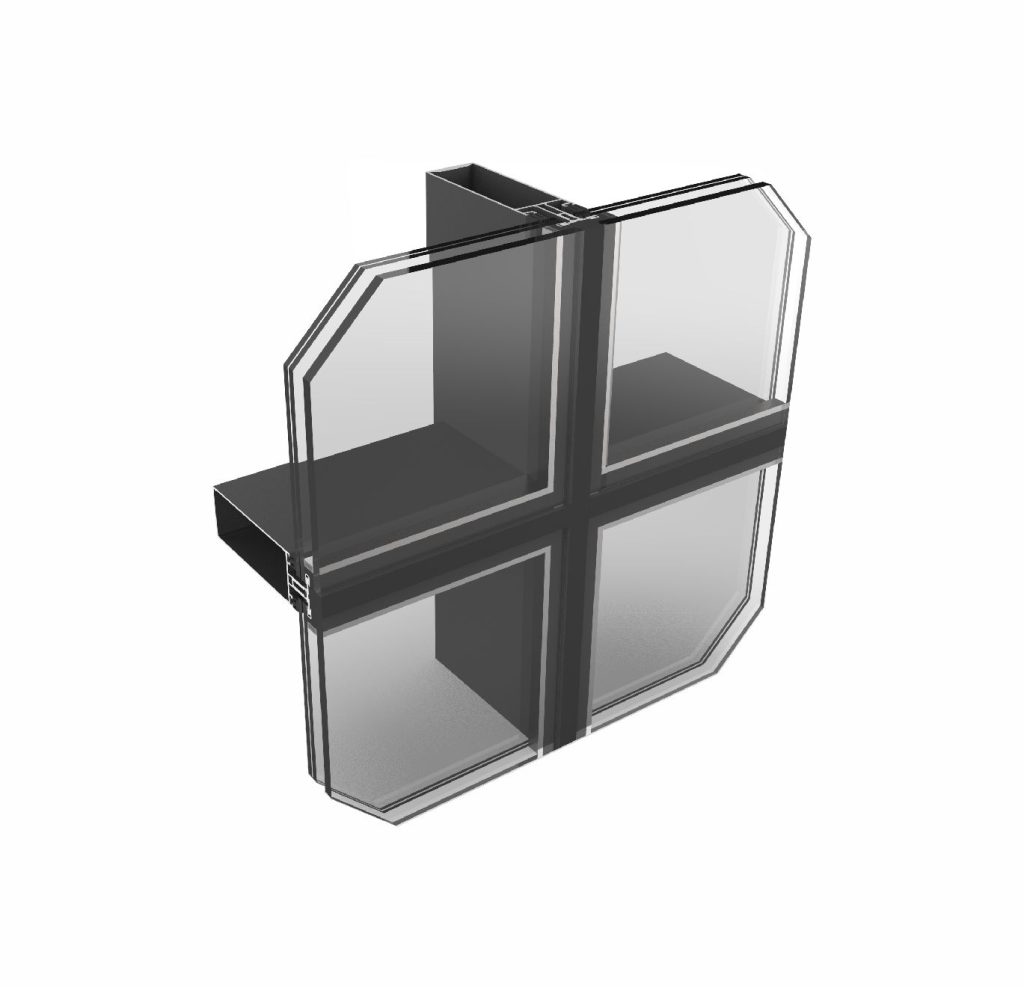
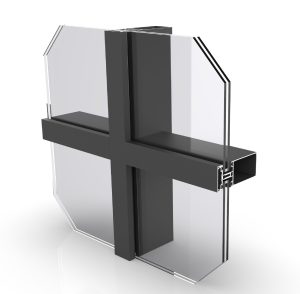
Face Cap Curtain Wall
In this system , aluminum frames are installed on the structure before the glass panels are placed . The choice of system depends on the project s location , building height , climatic conditions , and architectural design . This method offers high strength , ease of maintenance , and a neat appearance , making it an ideal choice for high rise , commercial , and office buildings . The glass sits directly on the vertical mullions and horizontal transoms and is secured with aluminum caps . Face Cap is one of the most common and reliable curtain wall installation systems . This system is widely used in luxury projects and continuous glass facades due to its minimalist design , easier glass replacement , and unique aesthetic appeal .
Frameless Curtain Wall
In frameless systems , the glass panels are installed using structural adhesives and EPDM rubber within hidden frames . Eliminating metal caps creates a uniform , glossy , and modern appearance .
Semi Frameless Curtain Wall
The semi frameless system combines the Face Cap and Frameless methods . The result is a facade that is technically stable and visually attractive . In one direction , adhesive and waterproofing strips are used , while in the other , the mullion with the cap remains .
U Channel Curtain Wall
In the U Channel system , the outer frame is completely removed . Glass panels are installed using special spacers and silicone adhesives within U shaped grooves . This hybrid approach provides high design flexibility and allows for the implementation of distinctive architectural designs . U Channel is typically used in projects with limited height and provides both reduced visibility from the outside and increased privacy . This method creates a fully transparent , frameless appearance and is also more cost effective .
Main Components of Curtain Wall Glass Facade
This system , based on dry facade technology , is installed without mortar or traditional materials . The curtain wall system consists of a set of specialized components that work together to create a unified , durable , and aesthetically pleasing glass facade . Its high speed of execution , engineering precision , and easy maintenance make it widely used in modern projects . Below , we introduce three key components of this system:
The role of Glass in Curtain Wall Performance
Glass is the most visually significant element of the curtain wall , greatly affecting energy performance , aesthetic appeal , and building safety . Depending on project requirements , tempered , laminated , double , or triple glazed glass is used . These glasses provide mechanical strength while effectively insulating against heat and sound . In frameless or U Channel systems , the visual beauty of the glass is especially prominent on the exterior facade . The choice of thickness , coating type , and glass color is typically based on climate , building usage , and architectural style .
Mullions and Transoms in Curtain Wall
Mullions are typically the primary load bearing elements and are designed with greater dimensions and thickness , while transoms help distribute the load . Mullions and transoms form the main aluminum skeleton of the curtain wall system . They are installed vertically mullions and horizontally transoms to carry the weight of the glass and wind loads to the main structure . Mullions and transoms may be covered with face caps in face cap systems or hidden in frameless designs .
Profiles and Connections in Curtain Wall Systems
Correct selection of these components significantly impacts the long term performance of the facade . These profiles may include gaskets , caps , connection plates , and brackets . In addition to mullions and transoms , the curtain wall system includes secondary and auxiliary profiles used for stabilization , waterproofing , installing decorative components , or covering gaps .
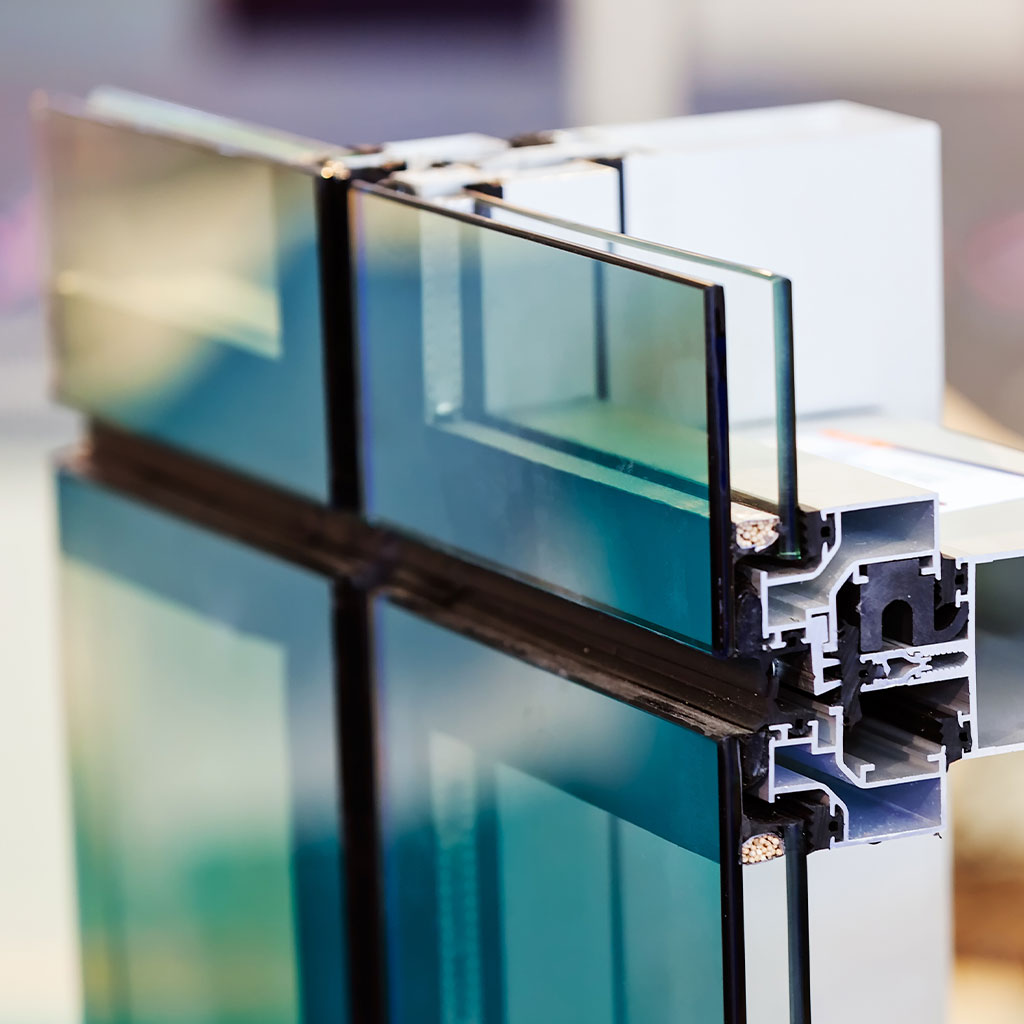
What is a Mullion?
Due to their lightweight , high strength , and long durability , aluminum mullions are the preferred choice for modern facades . Usually made of aluminum , they form the main supporting framework for the glass . Mullions are key structural profiles in curtain wall systems . Types of Mullions in Curtain Wall Mullions and Transoms Mullions are executed in two main types Mullions Vertical Profiles These act as the primary vertical supports and are usually designed in continuous lengths to carry the weight of the glass .
In some special projects , steel or even wooden mullions are used ; however , due to higher weight , cost , and susceptibility to corrosion , their use is limited.
Types of Mullions in Curtain Wall: Mullions and Transoms
Mullions are executed in two main types:
1.Mullions (Vertical Profiles): These act as the primary vertical supports and are usually designed in continuous lengths to carry the weight of the glass
2.Transoms (Horizontal Profiles): These act as intermediate supports and are typically shorter in length .
In some designs , mullions and transoms may have equal lengths for visual harmony
Insulation and Thermal Break Grooves in Curtain Wall
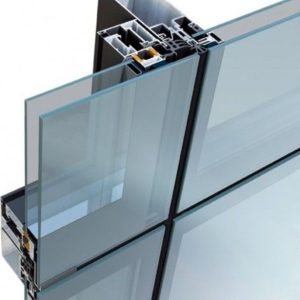
To improve thermal performance and prevent water ingress , mullions include internal grooves where insulating strips such as EPDM or polyamide are inserted . Their connections are designed to create a stable and unified structure for secure glass installation . These components prevent heat transfer thermal break , eliminating thermal weak points in the facade and enhancing building energy efficiency . These strips are particularly effective in harsh weather conditions and significantly contribute to the facade s longevity .
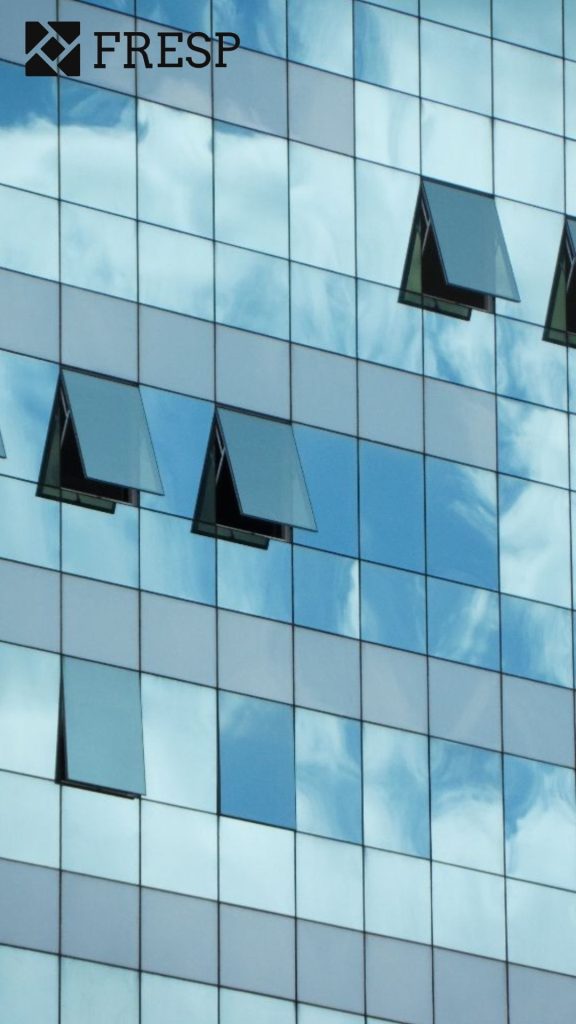
Methods of Manufacturing and Installing Mullion or Curtain Wall Systems
Curtain wall systems are primarily classified into two main types based on the production location , installation method , and level of prefabrication Stick System and Unitized System . Each method has its own technical characteristics , advantages , and limitations , which are selected according to project requirements .
Curtain Wall Installation Using the Stick System
The assembly , installation , and final adjustments are performed directly on site . Due to its high flexibility during execution , this system is suitable for small to medium sized projects with low heights . In the Stick System , all components including glass panels , mullions , and aluminum profiles are delivered to the site in raw or semi finished form .
Advantages and disadvantages of the curtain wall stick system:
Advantages:
• High flexibility for on site modifications
• Lower initial cost
• Easier transportation due to smaller component sizes
• Suitable for low rise or simple design projects
Disadvantages:
• High dependency on weather conditions during installation
• Requires skilled labor on site
• Longer overall installation time
Curtain Wall Installation Using the Unitized System
Due to precise engineering , high installation speed , and superior quality , the Unitized System is ideal for large , complex , and high rise projects . These units are then transported to the project site and installed quickly onto the building structure . In the Unitized System , large panels are pre assembled in controlled factory conditions .
Advantages and disadvantages of the curtain wall unitized system:
Advantages:
• Faster installation and reduced construction time
• Higher quality due to factory prefabrication
• Suitable for tall buildings with complex designs
• Less dependency on weather conditions
Disadvantages:
• Higher initial cost
• Requires specialized transportation for the units
• Limited ability to make changes after production
Installing Curtain Walls Using the Unitized System
The Unitized System involves transporting fully assembled panels to the site, where they are quickly and efficiently installed on the building structure. This method ensures high precision, faster execution, and long-term performance.
Comparison table of stick and unitized systems in curtain wall facade implementation
The table below compares the two main curtain wall construction methods , the Stick and Unitized systems , in terms of installation , construction quality , speed of construction , costs , and project requirements . This comparison helps architects , clients , and designers select the most appropriate glass facade construction system for their project .
| Features | Stick System | Unitized system |
|---|---|---|
Assembly Location | On-site | In factory (pre-fabricated) |
Installation Speed | Lower (time-consuming) | Very high |
Need for Skilled Labor on Site | High | Lower |
Initial Cost | Lower | Higher |
Suitable For | Small to medium-height projects | Large, tall, and complex projects |
Flexibility in Design Changes | High | Low |
Dependence on Weather Conditions | High | Low |
Production Quality | Medium (affected by on-site conditions) | Very high (factory-controlled) |
Which Curtain Wall System is Suitable for Your Project?
Choosing between the Stick and Unitized systems depends on factors such as building height , design complexity , budget , weather conditions , and project timeline . However , for low rise buildings , limited budgets , or projects requiring on site modifications , the Stick system is a better option . For projects with tight schedules and tall buildings , the Unitized system is an ideal choice .
We can handle your curtain wall project from initial consultation and design to full installation . The expert team at Fresp provides top quality services in accordance with international standards for the design and installation of curtain wall systems .
Application of Curtain Wall in Architecture
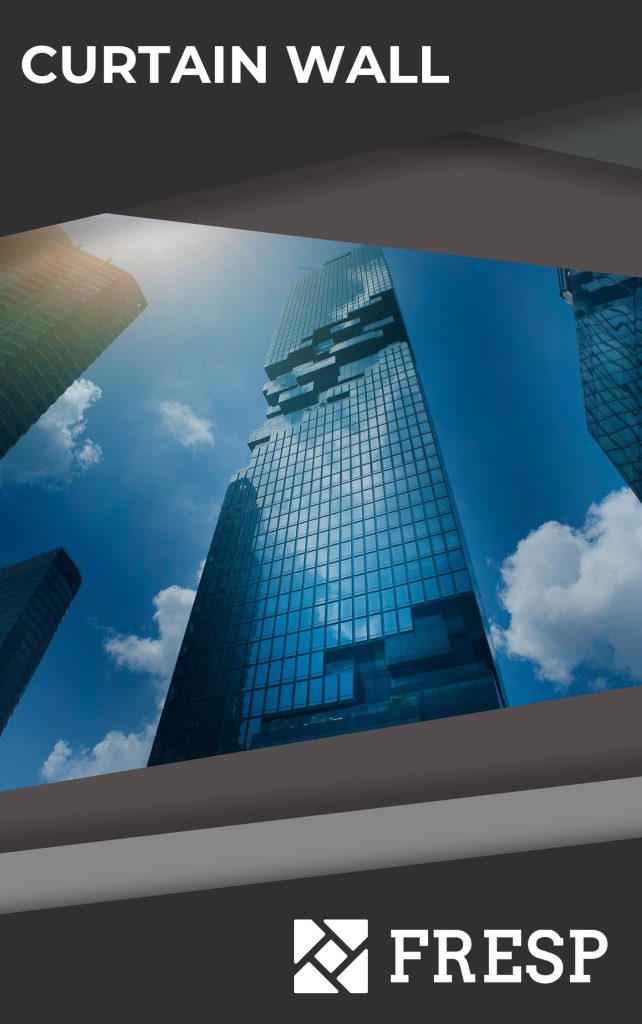
This system serves as both a protective and aesthetic element for high rise buildings . Since its structure is independent and made from lightweight materials like aluminum , it does not transfer lateral loads to the main structure . Additionally , curtain walls are used in commercial and office buildings as a modern design tool , enhancing visual impact and architectural diversity .
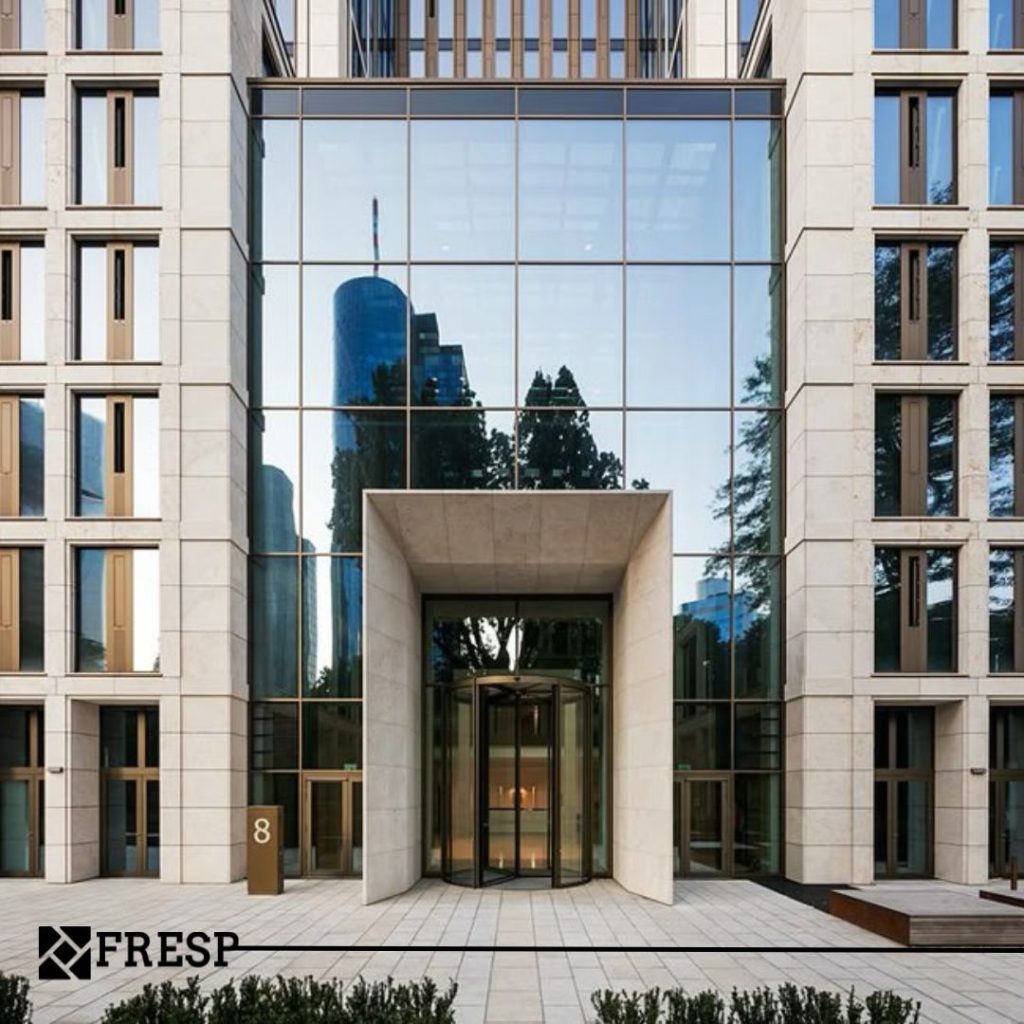
1.High rise Office Towers and Administrative Buildings
Curtain walls are very common in office towers and central administrative buildings . The lightweight structure , capability to cover great heights , and creation of a seamless , modern facade make this system suitable for office towers .
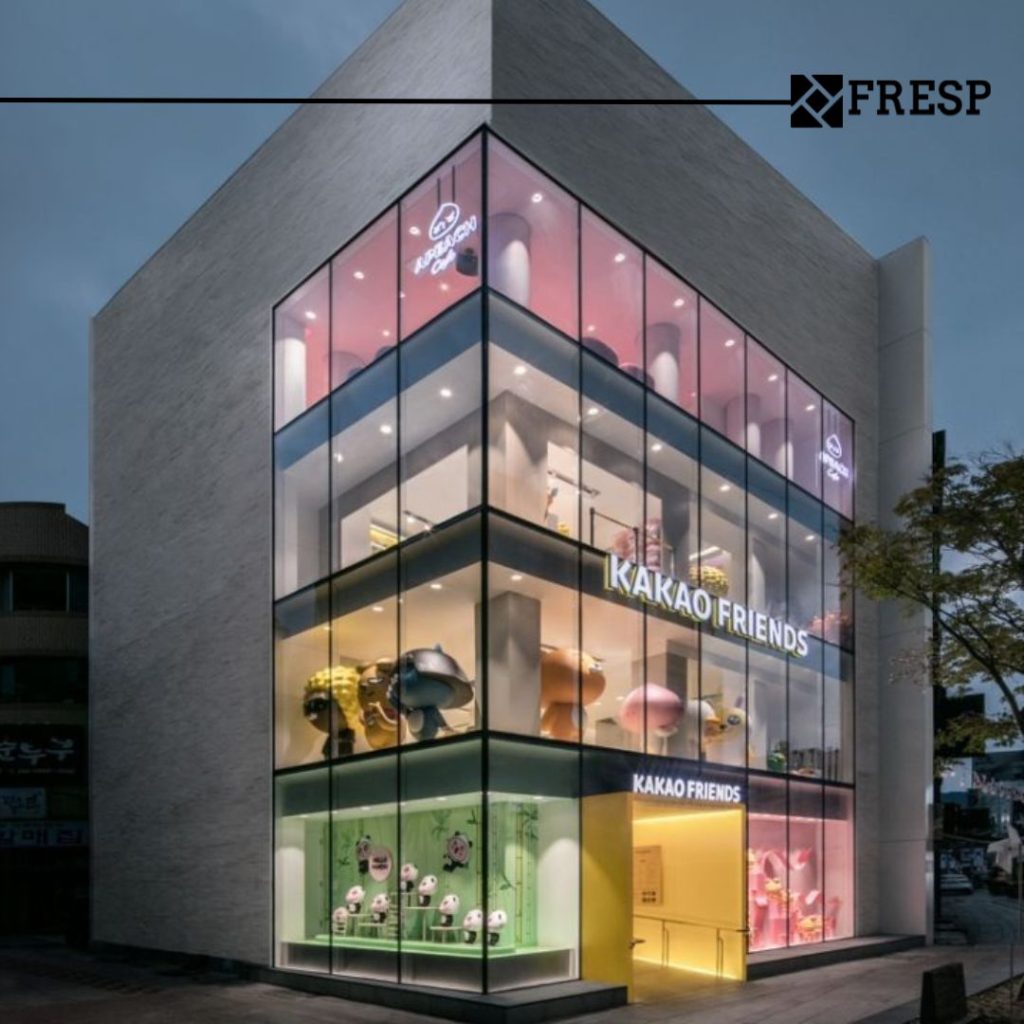
2.Commercial Centers , Stores , and Mixed use Complexes
In commercial buildings , especially shopping centers and branded stores , transparency and visual appeal are very important . Controlled natural light , energy efficiency , and enhancement of the organization s visual identity are among the main reasons for using this system in such projects.
3.Modern Governmental , Educational , and Public Buildings
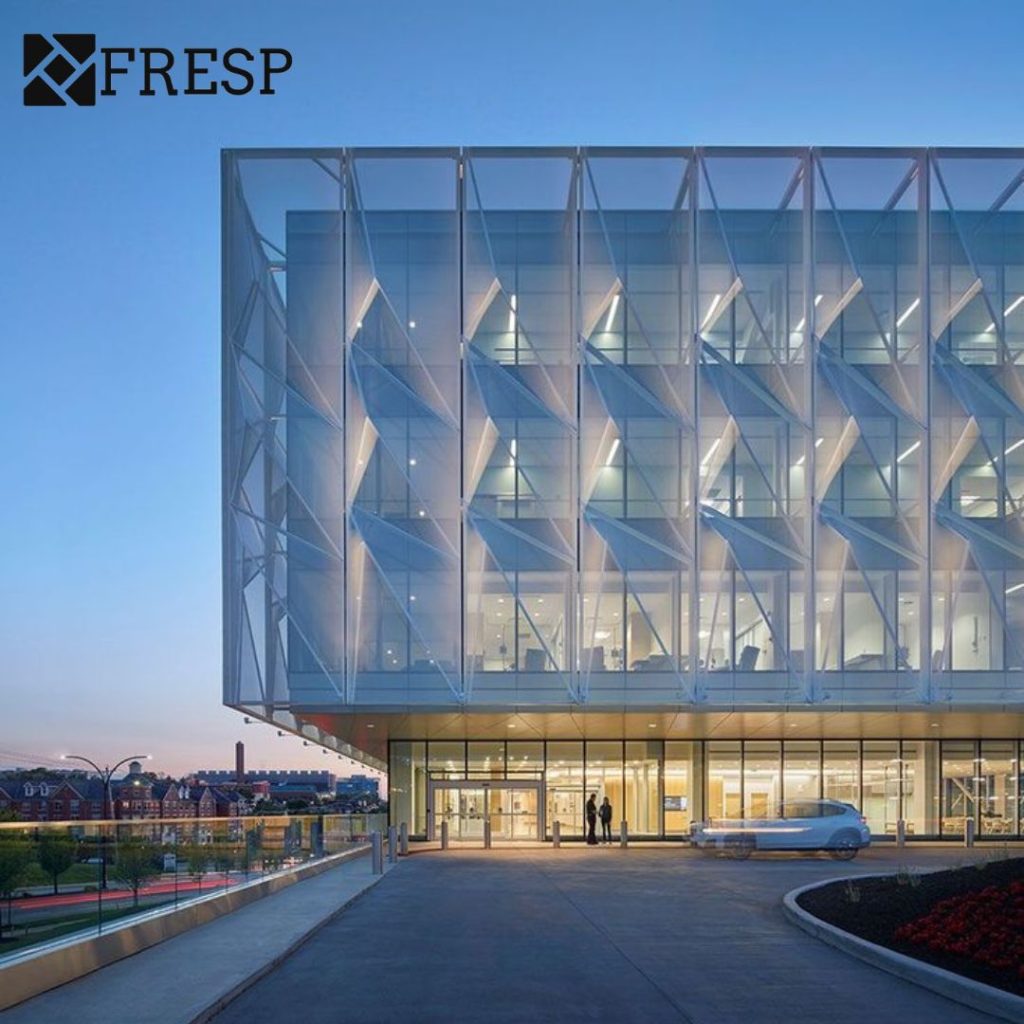
Projects such as universities , hospitals , libraries , and government buildings use curtain walls to create a sense of transparency , modernity , and sustainable design . This system not only increases natural light and reduces energy consumption but also enhances architectural value and prestige .
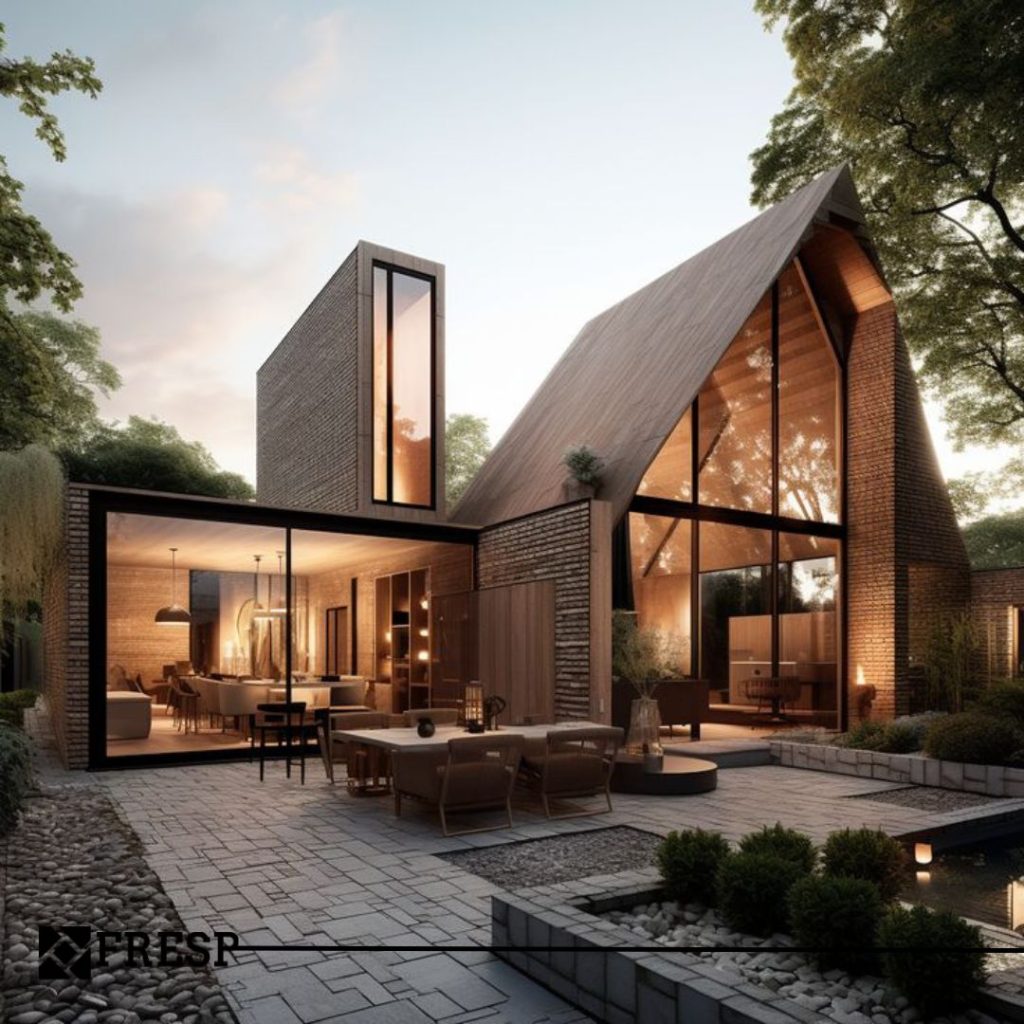
4.Villas and Exclusive Residential Buildings
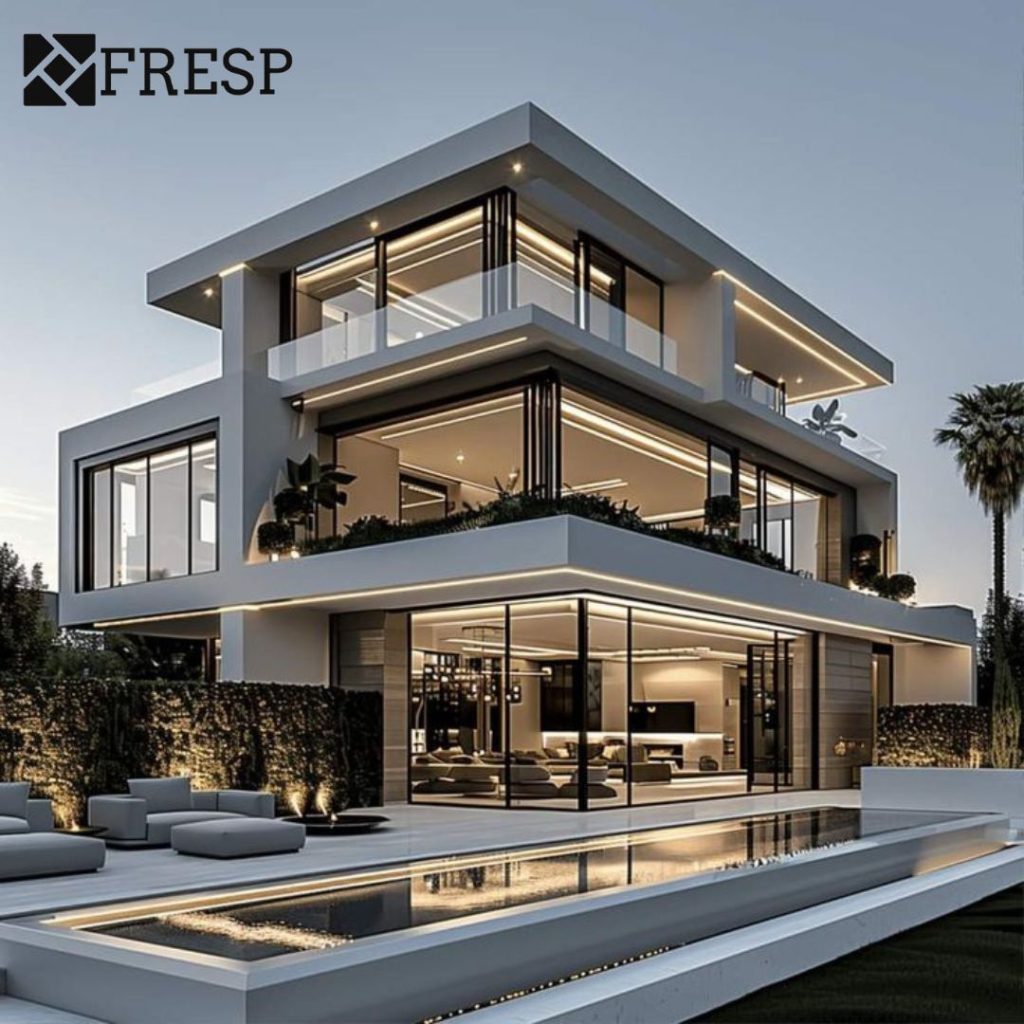
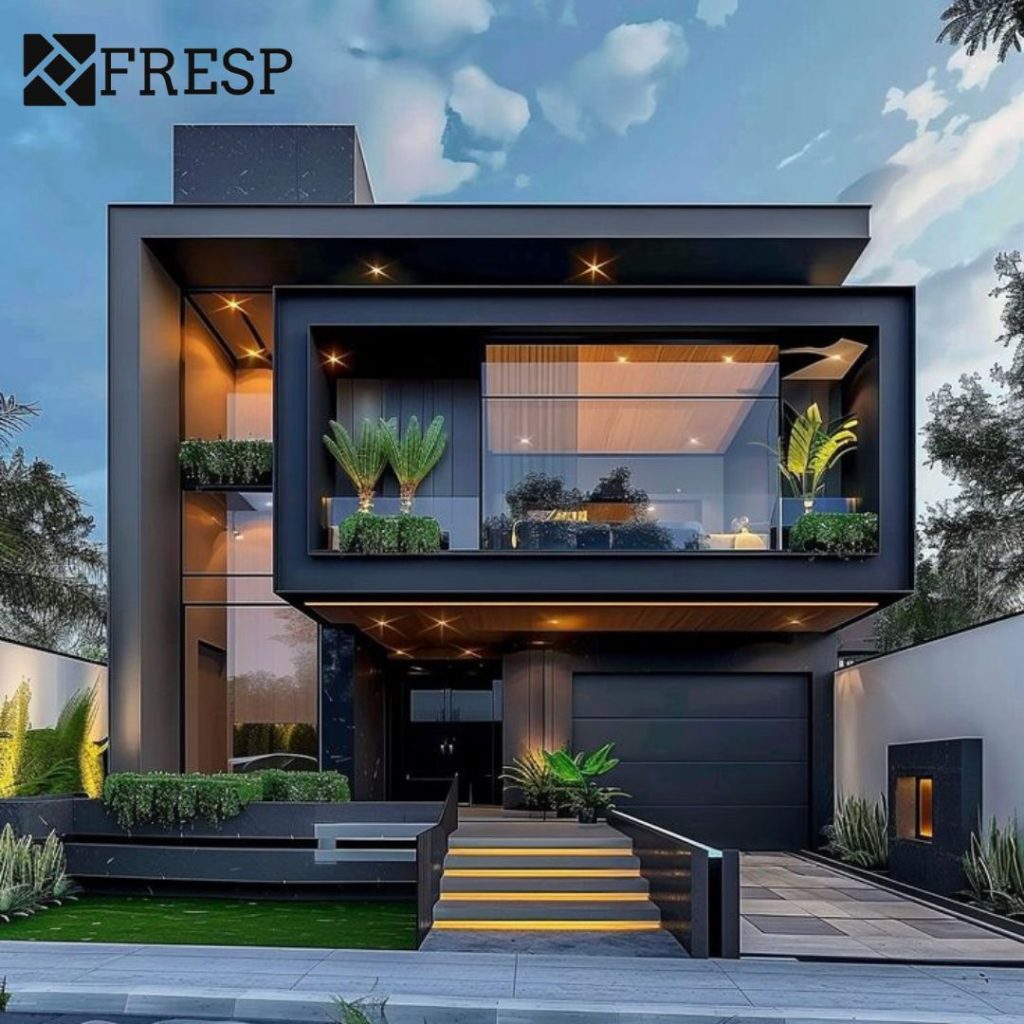
Although curtain walls are less common in residential projects , some luxury villas , penthouses , or exclusive residential complexes use them to achieve wide views of nature , transparent design , and visual connection between indoors and outdoors . Curtain walls in these projects are often applied on south facing walls , double skin fa ades , or parts of living spaces and terraces .
Conclusion
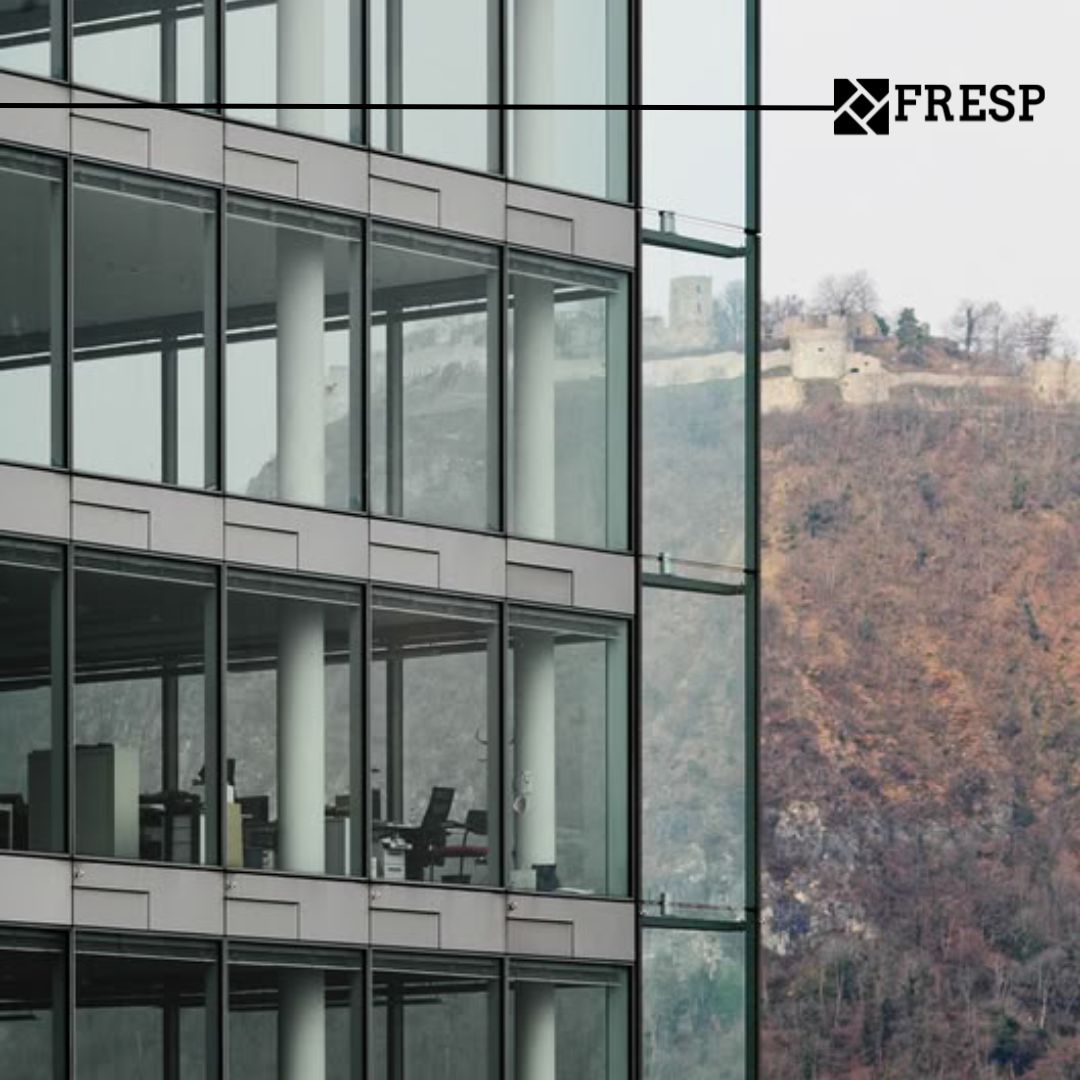
Curtain walls, combining technical performance and aesthetics, play a crucial role in projects where architectural design, energy efficiency, and transparency matter. From office towers to contemporary villas, this system has become one of the key tools in modern architecture today.
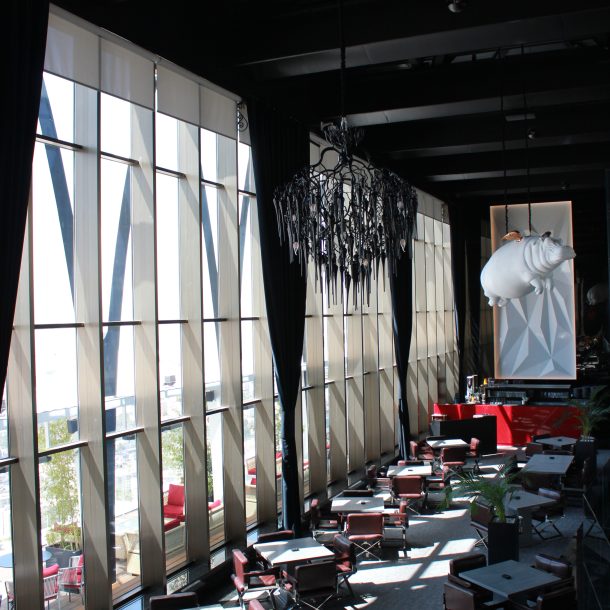
Top Curtain Wall Projects Executed by Fresp
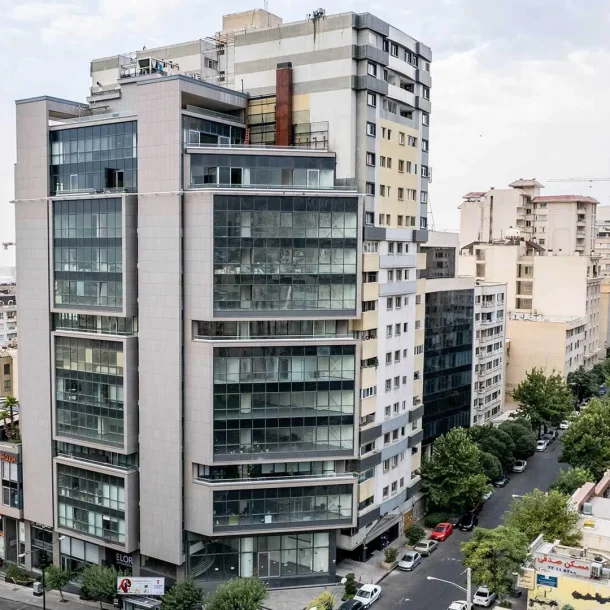
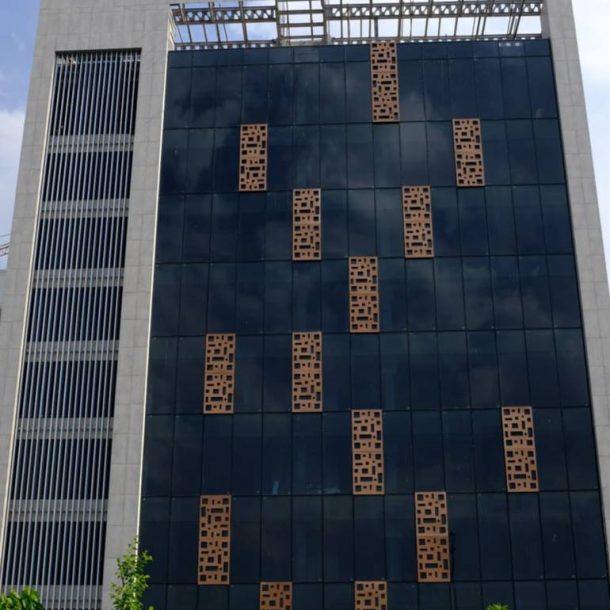
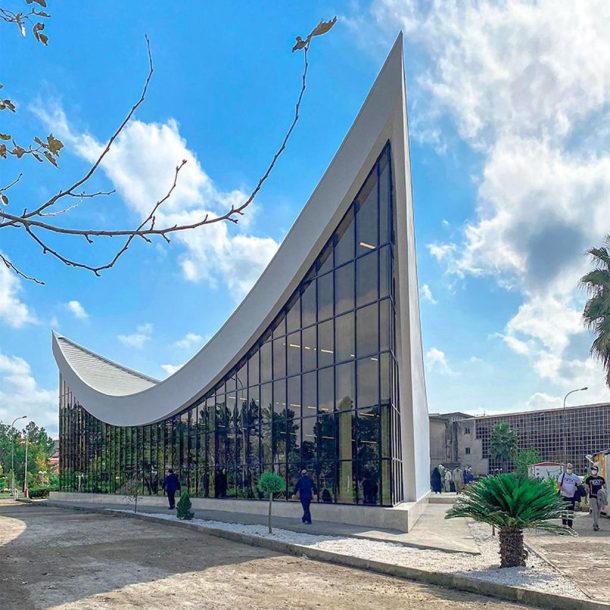
Fresp Company: Specialized Contractor for Curtain Wall
Fresp is a facade engineering and construction company with hands-on experience in designing and executing curtain wall systems for commercial and high-rise buildings.
Our team works directly with aluminum profiles, glazing systems, and installation detailing, ensuring performance, durability, and compliance with international standards.
Fresp , focusing on the specialized design and installation of glass curtain wall facades , is one of the leading companies in this field. By leveraging an experienced team in engineering design , production , and installation of modern facade systems , the company has successfully executed numerous projects in accordance with international standards .
Every stage is carried out with engineering precision , high quality materials , and meticulous attention to detail . Fresp offers its services as a complete chain from technical consultation and initial design to production , installation , and maintenance of curtain walls .
We are prepared to provide the best solution for your project s facade . Before making a decision , take advantage of Fresp’s free consultation . If you are seeking to collaborate with a professional team for modern , durable , and cost effective facade execution , Fresp is ready to deliver a reliable and professional experience for your project .
This knowledge is based on our involvement in multiple commercial and mixed-use projects where curtain wall systems were selected for both performance and architectural impact.
💰 What does the cost of Curtain Wall installation include?
In curtain wall projects, several factors influence the final cost. Understanding these items helps you make an informed decision:
1 . Engineering and Design Services
Includes design , technical drawings , and supervision during installation ; dependent on project complexity and building height
2 . Materials Aluminum
profiles , specialized glass , coatings , sealing gaskets , and connectors . Installation and Assembly Requires a specialized team and precise equipment to ensure technical performance and visual aesthetics
3. Installation and Assembly
Requires a specialized team and precise equipment to ensure technical performance and visual aesthetics.
4.Equipment and Installation Tools
Cranes, lifts, cutting machines, sealing tools, and other precision instruments.
5.Type of Installation System
Stick, Unitized, or Frameless systems, which affect time and cost of installation.
6.Project Location
Geographic location, site accessibility, climate, and transportation have a direct impact.
7.Openings and Design Complexity
Special design details increase sealing and installation costs.
📊 Estimated price table for curtain wall facade implementation (2025)
| Item | Price range (Toman/square meter) |
|---|---|
| Engineering services | ۲۰۰٬۰۰۰ تا ۳۵۰٬۰۰۰ |
| Material and glass | ۳٬۰۰۰٬۰۰۰ تا ۵٬۰۰۰٬۰۰۰ |
| Installation and assembly | ۶۰۰٬۰۰۰ تا ۱٬۰۰۰٬۰۰۰ |
| Installation equipment and tools | ۳۰۰٬۰۰۰ تا ۱٬۰۰۰٬۰۰۰ |
📌 Prices may change based on market conditions, design, and project location.
🔎 Ask us for an accurate
estimate of the cost of the curtain wall
Contact Fresp experts now or complete the consultation form and we will contact you as soon as possible.
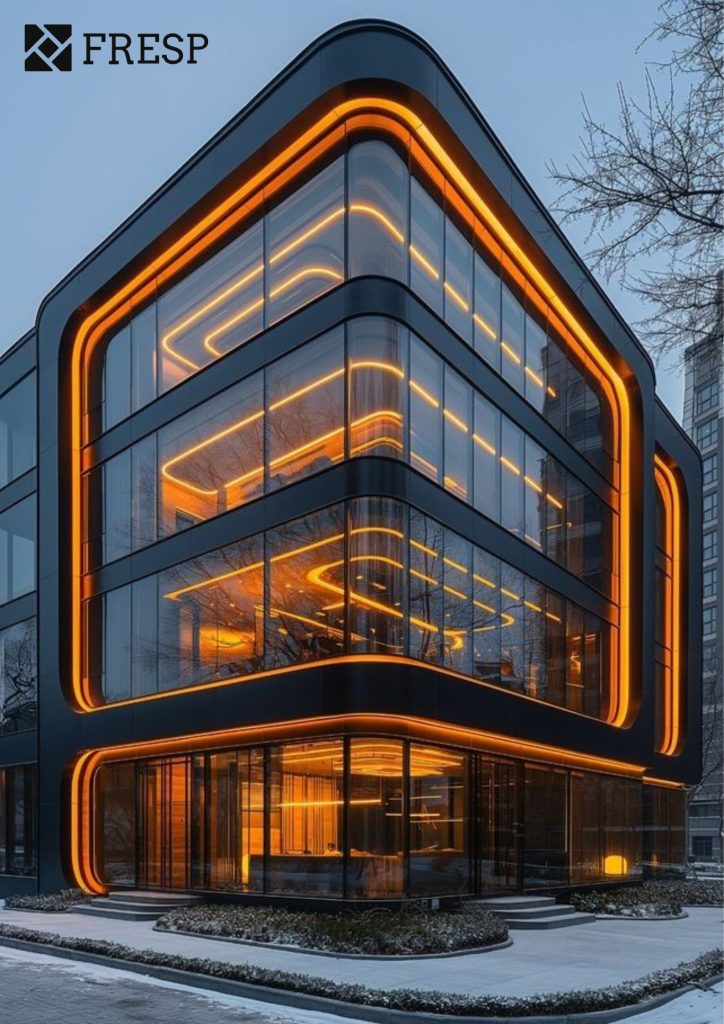
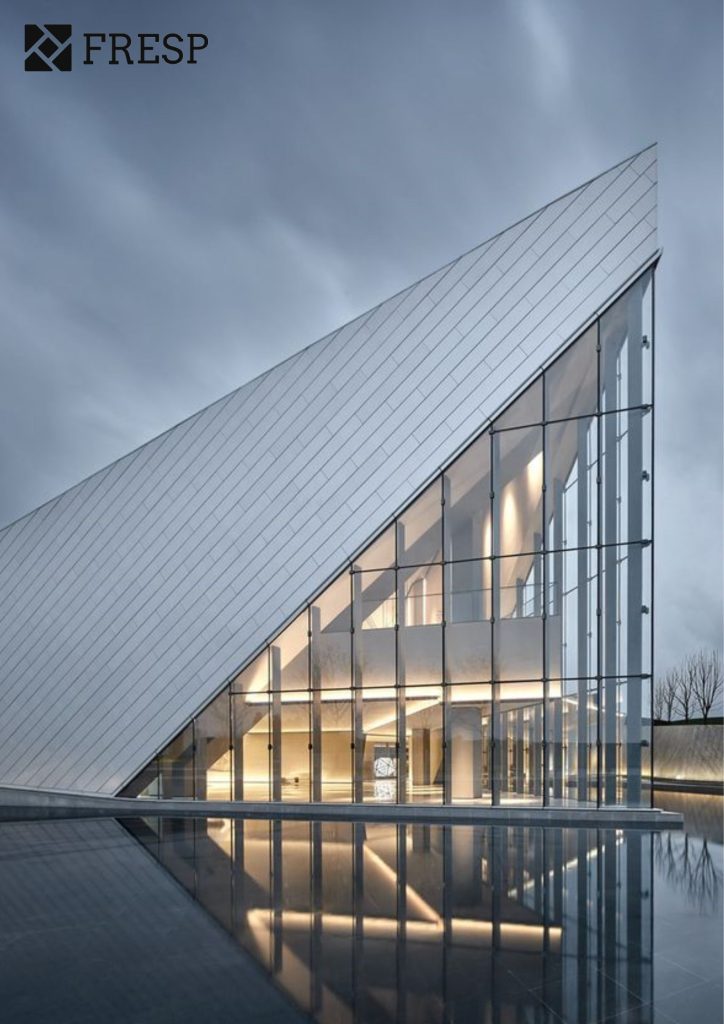
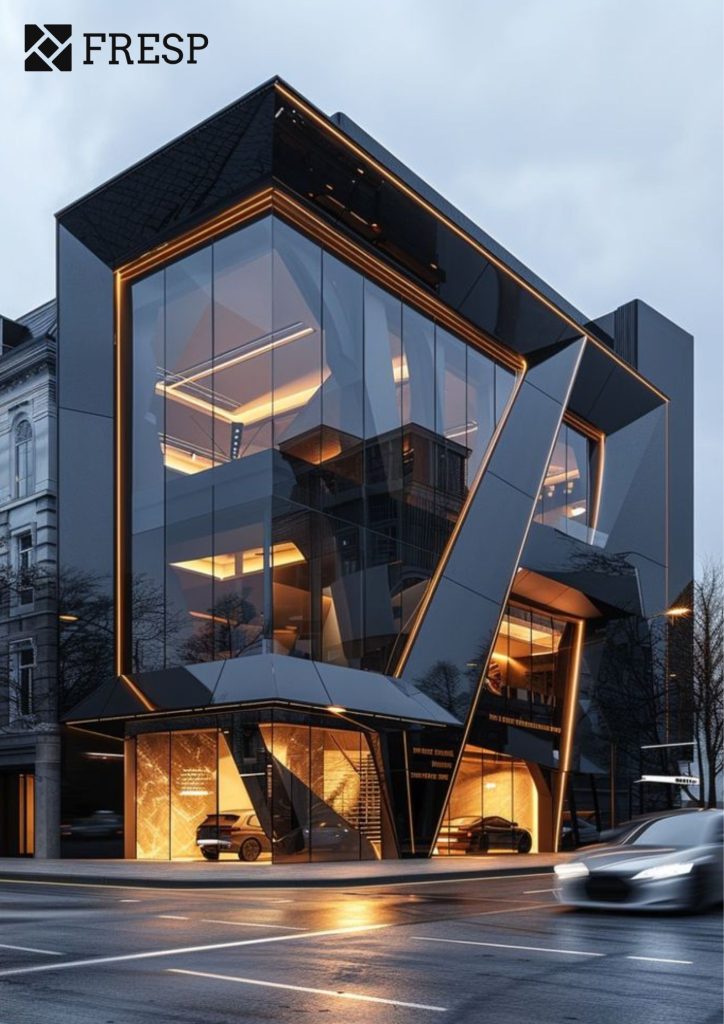
Curtain wall facade price
The price of a curtain wall depends on multiple factors , each of which can significantly affect the final cost
1 . Brand and Quality of Materials Used
Aluminum profiles , double or triple glazed glass , sealing strips , and adhesives should be selected from reputable brands . The higher the quality of materials , the higher the initial cost ; however , in the long term , it reduces maintenance costs and increases the durability of the facade
2 . Project Size and Scale
Larger projects require more materials , labor , and equipment , which increases the overall cost . High rise projects may need cranes and special installation equipment , affecting the price .This increases the costs of engineering services , labor , and equipment.
3.Design Complexity
Using unusual shapes , special details , or coordinating with other architectural elements requires more time and skill . Geographical Location and Weather Conditions of the Project Projects in areas with harsh weather conditions extreme heat , high humidity , strong winds require more durable materials and special installation methods .
4 . Difficult access to the project site
It also increases transportation and logistics costs .
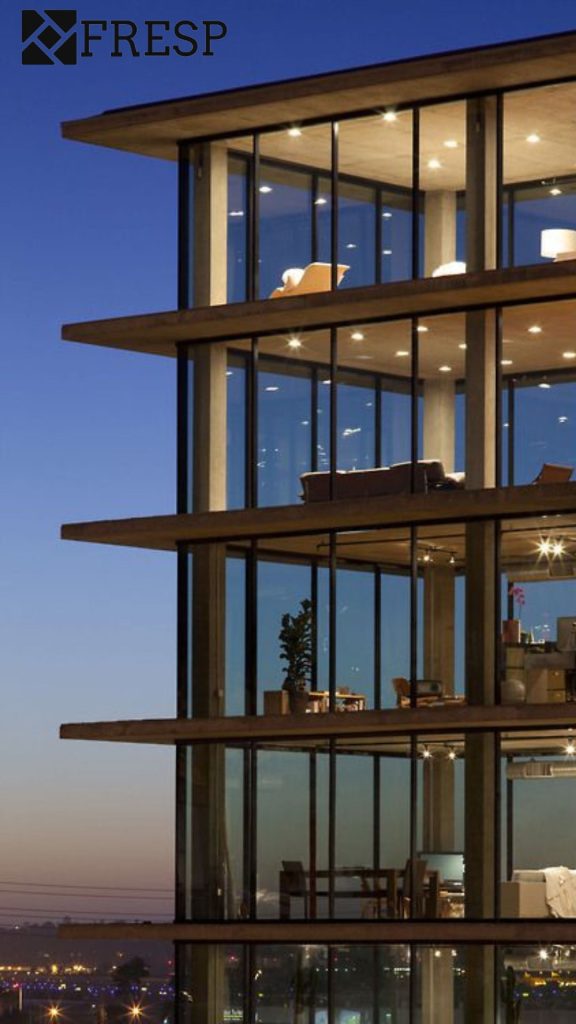
Curtain Wall Price per Square Meter in 2024?
The actual price can vary depending on several factors Type of materials used aluminum profiles , double triple glazed glass , sealing strips , etc . Project size and design complexity Geographical location and access to the site Other project specific conditions For a precise estimate , all aspects of your project need to be carefully analyzed . However , this is only a rough estimate. In general , the approximate cost of a curtain wall per square meter in the year 1403 2024 ranges between 5 to 15 million IRR .
Curtain Wall Price Estimation
For an accurate price estimate and a detailed assessment of your project , you can contact Fresp’s consultants . Fresp Company , with over ten years of experience in design , consulting , and execution of curtain wall systems , is one of the leading specialists in this field.
Free Consultation Fresp engineers provide expert advice to help you choose the best curtain wall solution for your project . Preliminary Quotation By sharing your project details , you can receive a preliminary curtain wall quote tailored to your needs .
The experienced and professional Fresp team is ready to support you through all stages of design , execution , and installation of your curtain wall system
Curtain Wall Facade Photos